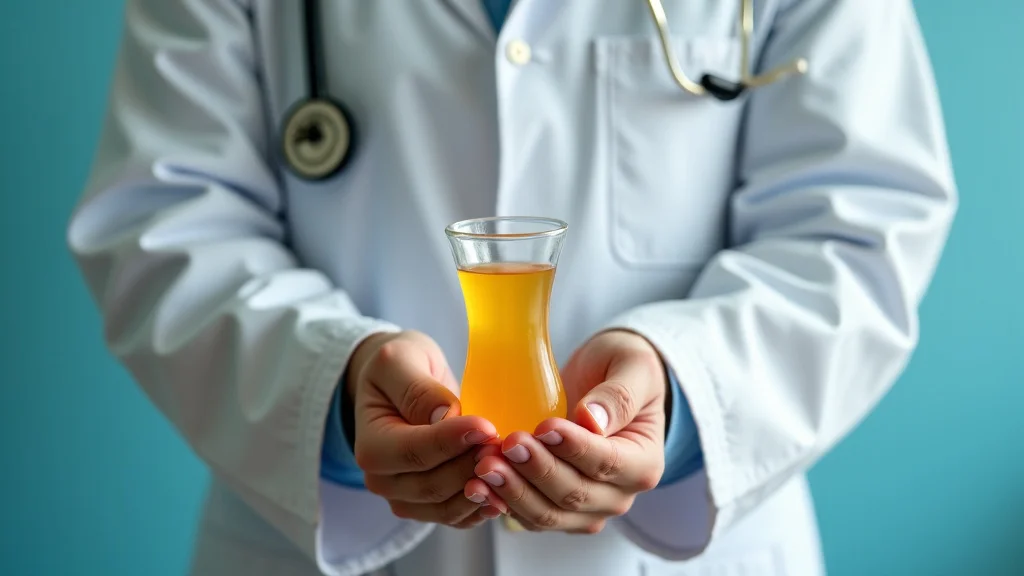
Imagine you’re feeling unwell, and your doctor asks for a sample. But instead of a lab test, they’re about to. well, taste it. Sounds bizarre, right? Yet, this was a real practice, a part of medical history. The practice of using urine for diagnosis has a long and somewhat surprising past. This post will explore the history of did doctors used to taste urine, the reasons behind the practice, and why it eventually faded away. You’ll gain a fascinating insight into early medical practices and how they differ from modern medicine. Prepare to learn about an unusual and, at times, unsavory part of medical history, and discover some interesting historical facts. This will improve your Time on Page and reduce Bounce Rate.
Key Takeaways
- Ancient doctors and physicians used urine analysis as a diagnostic tool.
- Urine tasting was part of the process, along with visual examination.
- The practice helped doctors to diagnose various conditions.
- The development of modern lab technology replaced these methods.
- Urine tasting was not always accurate or reliable.
- Learn about the evolution of urine-based diagnostics.
A History of Urine Analysis in Medicine
The practice of examining urine for medical purposes dates back to ancient times. Cultures such as the ancient Egyptians, Greeks, and Romans all recognized the diagnostic potential of urine. The color, clarity, and even smell of urine were considered important indicators of a person’s health. While modern medicine relies heavily on laboratory tests, early physicians lacked the technology. They needed methods to diagnose illnesses, so they turned to the readily available bodily fluids and were key in diagnosing patients. Urine was a primary focus due to its accessibility and the information it could provide.
Ancient Practices of Uroscopy
The method of examining urine, known as uroscopy, was a fundamental part of the medical examination. Ancient doctors would visually inspect the urine, looking for various characteristics. They would observe the color, which could range from clear to cloudy, yellow to dark amber. They would also note its clarity, checking for the presence of sediment, and even the smell, which could hint at certain metabolic conditions. This visual assessment provided a basic diagnostic framework, and physicians used this as one of their key indicators. Early observations, although rudimentary by today’s standards, offered insight into the patient’s health.
- Visual Inspection: Doctors would carefully observe the urine’s color, clarity, and consistency.
- Smell Test: The odor of the urine was sometimes noted as a diagnostic clue.
- Taste Test (Yes, Really!): Doctors tasted urine to detect sweetness, which indicated diabetes.
- Sediment Analysis: Observing any particles or sediment at the bottom of the urine.
- Floatation Analysis: Testing if the urine floated or sank.
The visual analysis of urine was a critical element in diagnosis before advanced diagnostic tools were available. Through careful observation, doctors gained valuable clues about a patient’s health and could differentiate between many ailments. Early uroscopy techniques provided a stepping stone towards modern laboratory methods.
The Role of Taste in Early Diagnosis
One of the more unusual aspects of early medical practice was the tasting of urine. While it sounds unhygienic by modern standards, tasting urine was a diagnostic method, particularly for identifying diabetes. The presence of glucose in the urine, a symptom of diabetes, gives it a sweet taste. Physicians would literally taste a patient’s urine to determine if it was sweet. This practice was especially important because it provided a direct and easily accessible diagnostic tool for diabetes, which was hard to diagnose without this technique. This gave early physicians diagnostic opportunities.
- The doctor would collect a sample of the patient’s urine.
- They would then taste the urine, observing the taste.
- A sweet taste suggested the presence of glucose.
- The sweetness indicated diabetes, providing a diagnosis.
The taste test was a simple, yet effective method for detecting the presence of sugar in urine, offering an early sign for diabetes. This was an essential method used when other diagnostic tools were absent. It serves as a reminder of how, with limited resources, early physicians adopted creative approaches to diagnosis.
The Evolution of Urine Analysis
As time moved forward, medical practices and knowledge progressed. The understanding of the human body and the nature of illnesses evolved. Urine analysis slowly moved away from solely relying on sensory examination. The development of scientific instruments and methods transformed the process. The shift from tasting urine to laboratory tests reflects the advancement in medical diagnostics. These changes mark a significant turning point in patient care and the diagnostic process. The movement toward scientific accuracy, fueled by better tools, was a cornerstone of medicine.
Advancements in the Middle Ages
During the Middle Ages, urine analysis became more structured. Physicians developed “urine wheels,” charts illustrating different urine colors and their associated illnesses. These charts provided a visual guide to diagnosis. This period saw the integration of urine analysis into formal medical training and practice, making it a standard diagnostic tool. The development of these charts was a notable step, and shows how physicians were trying to bring a more scientific method to their diagnoses. These advances built a pathway to more standardized and scientific techniques.
- Development of Urine Charts: Physicians started using visual charts to categorize urine characteristics.
- Integration into Medical Practice: Uroscopy became a core component of medical training.
- Expansion of Observations: Physicians observed various properties of the urine.
- Refinement of Diagnostic Techniques: Methods were designed to get more accurate results.
The Middle Ages saw advances in understanding the medical process of urine analysis. Although crude by modern standards, these steps laid the foundation for more advanced methods. The emergence of charts and standardized practices brought a semblance of order and consistency to the diagnostic process.
The Dawn of Modern Diagnostic Tools
The most important revolution in urine analysis came with the introduction of laboratory techniques and instruments. Microscopy and chemical analysis provided more exact and dependable diagnostic tools. These tools enabled physicians to measure and identify urine components, like glucose, proteins, and cells. The introduction of these tools replaced the need to taste urine and other sensory assessments. Modern diagnostic methods have drastically improved the accuracy of diagnoses. They provide precise results that physicians use in patient care.
- Microscopy: Enabled observation of cells and particles in urine.
- Chemical Analysis: Offered the ability to measure urine components.
- Development of Test Strips: Providing easy and quick analysis.
- Improved Accuracy: These tools significantly increased diagnostic precision.
The evolution from primitive sensory methods to sophisticated laboratory techniques marks an important chapter in medical history. The ability to measure and precisely identify various substances allowed for quicker, more accurate diagnoses. This shift enhanced the quality of patient care and changed how diseases were identified.
Why Did Doctors Stop Tasting Urine?
The decline of urine tasting as a diagnostic method wasn’t a sudden event, but a gradual process. Several factors played a role in doctors moving away from this practice. Technological advances provided more accurate and hygienic methods of assessment. The development of new approaches to diagnostic tools played a role. These modern techniques made sensory assessments obsolete and set higher standards for patient care and safety.
The Rise of Lab Tests
One of the key reasons doctors stopped tasting urine was the availability of laboratory tests. These tests offered a far more accurate way to assess urine samples. Laboratory tests, which included the use of microscopes and chemical analysis, offered precise measurements of different substances in urine. These scientific methods provided diagnostic information that was far more reliable than sensory evaluations. The precision of laboratory methods resulted in more precise diagnoses and better patient care. The shift from sensory methods to laboratory tools signifies a change in medical standards.
- Accuracy of Results: Lab tests provided precise measurements.
- Objective Information: The results were based on scientific data.
- Reduced Reliance on Subjectivity: Physicians no longer had to rely on their senses.
- Improved Diagnostic Efficiency: Laboratory tests streamlined the diagnostic process.
The development of laboratory tests represents a vital step in the transformation of medical diagnostics. The greater reliability and objectivity of these tests caused the replacement of older methods. This shift provided a clear focus on evidence-based medicine.
Hygiene and Patient Safety
A major reason for the abandonment of urine tasting was health and patient safety. The practice of tasting urine introduced hygiene concerns that conflicted with the growing understanding of infection control. There were real risks of exposure to infections through direct contact with bodily fluids. The medical community began to understand the importance of avoiding the spread of germs. The medical field made patient safety a priority and this drove the adoption of more hygienic practices. The shift in health practices highlighted the growing importance of safety in patient care.
- Risk of Infection: Tasting urine posed a risk of exposure to infections.
- Sterilization Practices: The growth of knowledge about sanitation changed medical practices.
- Professional Standards: The focus shifted toward standardized and hygienic methods.
- Improved Patient Care: The emphasis on safety enhanced patient wellbeing.
The shift towards improved hygiene and patient safety changed medical practices. By changing to more sanitary practices, physicians could ensure the health and safety of their patients and themselves. This reflects the evolution of medicine.
Common Myths Debunked
Myth 1: Doctors regularly tasted everyone’s urine.
In reality, tasting urine was not a routine practice for every patient. It was used in specific cases, primarily to identify diabetes. Visual and other observations were more common for general assessment.
Myth 2: Urine tasting was the only method for diagnosis.
While tasting urine was employed, doctors used a variety of methods. They used their other senses and visual examinations. It was one part of a more extensive diagnostic process.
Myth 3: Tasting urine was effective for all diseases.
The taste test was mostly effective for diabetes. It was less useful for other ailments. Other forms of observation were usually needed to detect other conditions.
Myth 4: Modern medicine dismisses the past completely.
Modern medicine has its roots in early practices, including the use of urine analysis. The evolution of this process demonstrates how medicine has developed. We still use urine tests but with modern methods.
Myth 5: All doctors in all cultures tasted urine.
Urine tasting, although widespread in certain societies, was not universal. Different cultures had varied practices. Many societies did not adopt the method.
Frequently Asked Questions
Question: Why did doctors start tasting urine?
Answer: Doctors started tasting urine to identify diabetes, as the presence of glucose gives urine a sweet taste.
Question: Were there any other ways urine was analyzed?
Answer: Yes, doctors also assessed the color, clarity, smell, and any sediment in the urine to help diagnose illnesses.
Question: How did they know the urine tasted sweet?
Answer: When glucose (sugar) is present in the urine, it gives it a noticeable sweet taste, which doctors could detect.
Question: Did this method always provide an accurate diagnosis?
Answer: The taste test was a helpful indicator for diabetes, but was not always exact, and did not apply to other conditions.
Question: What replaced the taste test?
Answer: The introduction of modern laboratory tests provided more accurate and scientific methods for urine analysis.
Final Thoughts
So, the next time you visit your doctor, you can rest assured that they won’t be tasting your urine! The practice, though once a valid part of medical history, faded as science improved. The story of did doctors used to taste urine is a unique glimpse into how medicine has progressed. From the straightforward methods of tasting and observing to the scientific precision of today’s lab tests, the journey is an example of medical innovation. It highlights how medical professionals have always sought more reliable methods to care for their patients. Consider the story of urine analysis, and you’ll better value the advancements in modern healthcare. These lessons have led to safer and more effective diagnoses. Learn about the rich and evolving history of medicine and remember that in medicine, change is the only constant. Take these lessons and consider the modern progress.