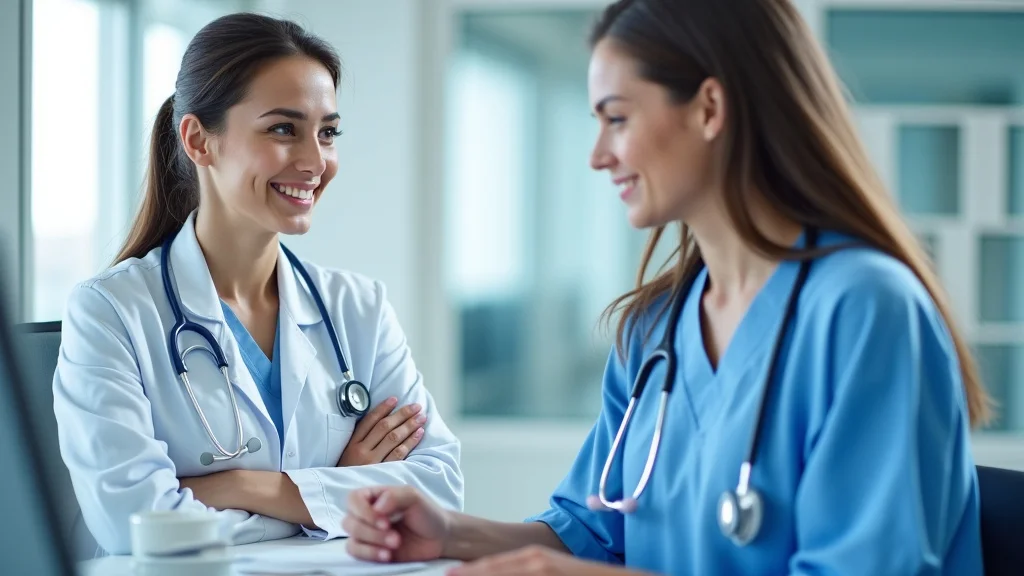
Picture this: You’re sick, and you’re seeing a doctor. They listen to your symptoms, run some tests, and make a diagnosis. But have you ever wondered about the letters after their name? Specifically, what does D.O. mean? Maybe you’ve seen it and been curious. This post explores the fascinating world of osteopathic medicine and what sets D.O. doctors apart. You’ll explore their unique approach to healthcare, the training they undergo, and how they provide comprehensive care. Get ready to learn more about a significant aspect of healthcare that could influence your health in the future!
Key Takeaways
- D.O. stands for Doctor of Osteopathic Medicine, a fully licensed physician.
- Osteopathic doctors receive a holistic approach to medicine, focusing on the interconnectedness of the body.
- D.O.s receive additional training in musculoskeletal manipulation.
- They can practice in any medical specialty, just like M.D.s.
- Osteopathic medicine considers the body’s ability to heal itself.
- D.O.s often emphasize patient education and preventative care.
The Fundamentals of Osteopathic Medicine
The field of medicine is vast, encompassing a variety of approaches to patient care. One path, osteopathic medicine, is distinguished by its holistic philosophy, emphasizing the interconnectedness of the body’s systems. This approach sees the body as a whole, not just a collection of separate parts. It places significant emphasis on the musculoskeletal system (muscles, bones, and joints), recognizing its crucial role in overall health. This approach differentiates osteopathic medicine from the allopathic approach taken by M.D.s, making it important to explore the distinctive features of this healthcare path.
In the late 19th century, Andrew Taylor Still, a physician, developed osteopathic medicine. He noticed the body’s capacity for self-healing and centered his treatment approach on the belief that a well-functioning musculoskeletal system is essential for overall health. This perspective is a core concept that guides D.O.s in their approach to medicine. They consider a patient’s physical, mental, and emotional health and how these interact. They focus on promoting health and preventing disease rather than simply treating symptoms.
Osteopathic Principles: A Guiding Philosophy
Osteopathic medicine is based on four key principles: the body is a unit, the body has the ability to heal itself, structure and function are interrelated, and rational treatment is based on these principles. These principles inform all aspects of osteopathic practice. The emphasis on the body as a unit means that D.O.s consider how various body systems influence each other. D.O.s believe the body can heal itself, so they aim to assist this natural process. They emphasize the relationship between the body’s structure and its function, using this to improve patient health. Treatment is customized based on these principles.
- The Body as a Unit: D.O.s treat the whole person, not just the symptoms of a condition. They look at the physical, mental, and emotional aspects of health.
- The Body’s Inherent Ability to Heal Itself: D.O.s work to support the body’s natural healing processes. They believe in the body’s capacity to restore itself.
- Structure and Function Are Interrelated: D.O.s know that the structure of the body influences how it functions. They use their understanding of anatomy to treat patients.
- Rational Treatment Is Based on These Principles: Treatments are determined after a complete evaluation of the patient’s individual needs, following the core principles.
Understanding the body as a unified system is critical to an osteopathic approach. This means that a D.O. won’t only address the specific issue; they will consider how it affects the whole person. For instance, if a patient has back pain, a D.O. will examine how the pain affects other systems, such as their sleep, mental well-being, and overall mobility. They recognize that all body systems are linked and treat them as such.
This principle is fundamental to osteopathic practice. D.O.s believe the body possesses innate self-regulatory and self-healing mechanisms. They focus on methods to assist the body’s natural abilities. This might involve reducing barriers to healing, improving circulation, or reducing pain. The goal is to stimulate the body’s internal healing mechanisms and return the body to a state of balance. The focus is always on facilitating the body’s natural defenses.
Osteopathic doctors are experts in anatomy. They examine how the structure of the body affects its functionality. A D.O. will assess posture, movement, and palpate the body to identify structural problems, like muscle tension or joint restriction, that can affect function. Through treatment, D.O.s seek to enhance structural alignment, which, in turn, can improve overall body function. They understand that if the body is in balance, it can work better and heal more effectively.
Every treatment choice a D.O. makes is guided by osteopathic principles. The evaluation considers the whole person, their symptoms, and the underlying structural issues. Treatment plans are customized to address each patient’s specific needs and promote health. This approach means that treatment is not a one-size-fits-all solution; it is tailored to each patient’s unique health situation. Treatments aim to address structural issues and encourage the body’s own healing processes.
The Role of Osteopathic Manipulative Treatment
A distinctive feature of osteopathic medicine is osteopathic manipulative treatment (OMT). OMT is a hands-on method where D.O.s use a variety of techniques to diagnose and treat health problems. These methods include muscle stretching, gentle pressure, and resistance to mobilize joints, relax tense muscles, and improve circulation. OMT helps to restore normal function and reduce pain, reflecting the interconnectedness of body systems. OMT is often used to address musculoskeletal issues, but D.O.s can use these techniques for a wide range of conditions.
- Joint Mobilization: D.O.s use techniques to restore normal movement to joints, reducing stiffness.
- Muscle Energy Techniques: These techniques involve the patient using their muscles against the doctor’s resistance to help relax muscles and improve joint movement.
- Soft Tissue Mobilization: Soft tissue mobilization involves massage and stretching to release tension in muscles and other soft tissues.
- Visceral Manipulation: This focuses on the gentle manipulation of internal organs to promote better function and movement.
Joint mobilization involves gentle movements or sustained pressure to restore normal joint mobility. Restrictions in joint motion can cause pain and reduce function. D.O.s use joint mobilization techniques to improve range of motion, decrease pain, and help restore the natural mechanics of the joint. These techniques can be used for various conditions, including arthritis and injuries.
Muscle energy techniques use the patient’s own muscle contractions to improve joint motion and muscle function. The D.O. guides the patient’s muscles to contract in a specific direction against their resistance. These contractions can relax muscles, lengthen tight tissues, and restore balance. This technique can be effective in treating conditions like muscle spasms and postural imbalances.
Soft tissue mobilization includes techniques such as massage, stretching, and applying pressure to release muscle tension. This is helpful for reducing pain, improving circulation, and promoting healing in muscles, fascia, and ligaments. D.O.s use these methods to treat conditions, such as back pain, headaches, and other musculoskeletal issues, helping to restore normal tissue function and reduce discomfort.
Visceral manipulation involves techniques to address restrictions in the internal organs, which can impact the musculoskeletal system and other body functions. The D.O. uses gentle, hands-on methods to mobilize and improve the function of the internal organs. This therapy can assist in restoring normal organ movement, improve blood flow, and reduce pain. It’s often applied to treat issues related to digestion, breathing, and other internal processes.
The Path to Becoming a D.O.
The journey to becoming a D.O. is rigorous, involving demanding education, training, and certification. This path is similar to that of M.D.s. Both D.O. and M.D. candidates attend four-year medical schools, complete residency training, and must pass comprehensive licensing exams. This process makes sure that all doctors meet the same standards. However, osteopathic medical schools put a special focus on the musculoskeletal system. The D.O.s receive additional training in osteopathic manipulative medicine (OMM).
Medical School and Residency Training
After earning a bachelor’s degree, aspiring D.O.s apply to osteopathic medical schools. The curriculum at these schools is comprehensive, including basic sciences (anatomy, physiology, biochemistry) and clinical training. Students learn how to treat different diseases and conditions through the holistic approach of osteopathic medicine. Residency programs provide practical experience in a chosen specialty. After medical school, D.O.s must complete residency programs in areas such as internal medicine, surgery, or family medicine, similar to M.D.s.
- Curriculum: Medical school includes core sciences, such as anatomy and physiology, and focuses on hands-on OMM training.
- Hands-on Training: Students learn to use OMT for diagnosis and treatment. This involves learning about different OMM techniques.
- Residency Programs: D.O.s complete residency programs in their chosen medical specialty, like all M.D.s.
The curriculum emphasizes the interconnectedness of all body systems and the importance of musculoskeletal health. Students learn the basic sciences, but they also learn OMM techniques early in their training. This gives them a detailed view of the human body and how it functions. The focus is on providing all future doctors with a firm base in osteopathic principles and practices, like a more holistic approach to health.
A key component of osteopathic medical education is hands-on training. This training allows students to learn, practice, and refine their OMT skills. This includes learning the principles and techniques of joint mobilization, soft tissue manipulation, and visceral manipulation. This prepares them to use these techniques effectively in patient care. This hands-on approach helps students develop the tactile skills necessary to diagnose and treat patients.
After graduating from medical school, D.O.s complete a residency in their chosen area of medicine, just like M.D.s. These programs offer practical training and experience in specific areas of medicine. During residency, D.O.s hone their skills under the supervision of experienced physicians. This hands-on training builds competency and prepares graduates to practice medicine independently. They gain a deeper understanding of their specialty.
Licensing and Certification
After completing residency, D.O.s must be licensed to practice medicine. They need to pass a series of comprehensive examinations. Some may choose to become board certified in their specialty, confirming their advanced knowledge and skill. This licensing process and board certification ensures that D.O.s meet the same rigorous standards as other medical doctors. This licensing underscores their credentials and commitment to patient care.
- Licensure Exams: D.O.s must pass national board exams to obtain a medical license.
- State Medical Boards: D.O.s must be licensed by the state medical board where they want to practice.
- Board Certification: Doctors can become board certified in their specialty, validating their experience.
The national board exams ensure that D.O.s meet a standard of competence and knowledge to practice medicine. They cover different subjects, from basic medical science to clinical aspects of treatment. Passing these exams is essential. It proves that the doctor is competent and prepared to treat a wide variety of patients. These exams are essential for receiving a state medical license.
The state medical boards review and confirm that doctors are qualified to practice. They make sure doctors meet the necessary standards and follow all rules. Requirements vary from state to state, so D.O.s must meet the regulations of the state where they will work. This guarantees that they adhere to all legal and professional standards, allowing them to provide safe and effective medical services to patients.
Board certification indicates that a D.O. has achieved advanced knowledge and experience in a specific area of medicine. To obtain board certification, a D.O. must complete additional training, pass a rigorous exam, and meet certain requirements. This certification validates a doctor’s skills, knowledge, and experience. It is a mark of a doctor’s dedication to providing a high quality of care, assuring patients that the physician has met stringent standards.
What Does D.O. Mean for Doctors: Skills and Practice
Doctors of Osteopathic Medicine (D.O.) have a unique skill set and approach to patient care. They can practice in any medical specialty, mirroring the diversity of M.D.s. They are also trained to emphasize the interconnectedness of all body systems. D.O.s take a whole-person approach to care. They can use osteopathic manipulative treatment (OMT) as part of their practice, offering patients an additional method of treatment. This method is effective for musculoskeletal issues. D.O.s also tend to emphasize health promotion, patient education, and preventative care.
Specialties and Areas of Practice
D.O.s can practice in any medical specialty, including family medicine, internal medicine, surgery, pediatrics, and emergency medicine. This versatility allows them to serve in many different settings, from small practices to large hospitals. Their holistic training and focus on the musculoskeletal system make them especially well-suited for particular specialties. The wide range of areas in which they practice highlights the adaptability of their skills and their ability to provide comprehensive healthcare.
- Family Medicine: Many D.O.s choose family medicine, providing comprehensive care to patients of all ages.
- Internal Medicine: D.O.s also practice internal medicine, specializing in the diagnosis and medical treatment of adult diseases.
- Orthopedic Surgery: D.O.s may become orthopedic surgeons, specializing in the treatment of musculoskeletal disorders.
- Sports Medicine: Many D.O.s specialize in sports medicine, assisting athletes.
Many D.O.s work in family medicine. In this area, they provide care for people of all ages. Their training emphasizes preventative care and patient education, helping families to maintain their well-being. They can diagnose and treat a wide variety of conditions, working as a primary care provider to ensure coordinated patient care. Their skills in OMT give them an advantage in diagnosing and treating musculoskeletal conditions.
Internal medicine physicians diagnose and provide non-surgical treatment to adults. Their training in osteopathic principles provides them a distinct perspective on patient care. This holistic approach helps them to identify the underlying causes of conditions. They focus on whole-person care and often incorporate OMT to address a range of issues. This enables them to provide comprehensive and personalized patient care.
D.O.s who become orthopedic surgeons are specially trained to treat conditions that affect the bones, joints, muscles, ligaments, and tendons. Their familiarity with the musculoskeletal system, gained through their training in OMT, gives them a unique advantage. They offer both surgical and non-surgical treatments. They offer OMT as an additional means of treatment, which complements their surgical skills to provide comprehensive care for patients with orthopedic issues.
D.O.s in sports medicine focus on the health and treatment of athletes. They are experts in preventing, diagnosing, and treating injuries that occur in athletic activities. Their osteopathic training helps them to understand the musculoskeletal system. They may use OMT to treat sports-related injuries. They are an essential part of an athlete’s care team, keeping athletes healthy and promoting optimal performance.
Patient Care and Holistic Approach
D.O.s view the patient as a whole person, considering their physical, mental, and emotional health, with the goal of overall health and well-being. They emphasize the importance of prevention and educating patients about their health. D.O.s offer a broad range of care, using their knowledge of the musculoskeletal system to improve patients’ overall health. Their patient-centered approach makes sure they provide personalized and compassionate care.
- Patient-Centered Care: D.O.s prioritize patient needs and preferences in developing a treatment plan.
- Preventive Medicine: D.O.s highlight the importance of preventive care, focusing on wellness and early intervention.
- Osteopathic Manipulative Treatment: Many D.O.s use OMT to treat a wide array of conditions, providing a hands-on treatment option.
- Health Promotion: D.O.s actively educate patients about healthy lifestyle choices and wellness practices.
D.O.s provide care by listening to patient concerns and working with them. They involve patients in decisions about their health care, making them partners in their journey to health. They strive to provide a positive and trusting environment. This results in the development of treatment plans tailored to the patient’s individual health needs. This leads to higher patient satisfaction and enhanced health outcomes.
D.O.s recognize that prevention is key to long-term health. They encourage patients to adopt healthy lifestyles and identify potential health risks before symptoms appear. This includes routine check-ups, immunizations, and lifestyle counseling. Their emphasis on prevention helps patients take a proactive approach to their health. This reduces the risk of chronic disease and promotes overall wellness.
OMT is an important tool in the care provided by D.O.s. They use a variety of techniques to diagnose and treat musculoskeletal problems. This approach allows them to address a wide range of conditions, from back pain and headaches to more complex issues. OMT can reduce pain, improve range of motion, and promote the body’s natural healing processes. This treatment option gives patients access to a unique and comprehensive care approach.
D.O.s help patients to understand the importance of healthy living. They advise on healthy eating, regular exercise, stress management, and other practices that improve well-being. The educational approach helps to empower patients to take control of their health. This helps to reduce the risk of illness. This results in a better quality of life. This ensures that patients have the knowledge and tools needed to support a healthy lifestyle.
Common Myths Debunked
Myth 1: D.O.s are not real doctors.
D.O.s are fully licensed physicians and can practice in all areas of medicine, just like M.D.s. Both attend four years of medical school, complete residencies, and must pass the same board exams. The primary difference is the focus on a holistic approach and the inclusion of OMT in the D.O.’s training.
Myth 2: OMT is only for back pain.
While OMT can be effective for back pain, it is used for a wide range of conditions. D.O.s may use it to address headaches, musculoskeletal issues, and other health problems. OMT is a versatile tool that can be used for whole-body treatment, not just back issues.
Myth 3: D.O.s are less qualified than M.D.s.
Both D.O.s and M.D.s undergo extensive training and must pass rigorous licensing exams. The quality of care provided by a D.O. is equivalent to that of an M.D. The choice to become a D.O. or an M.D. is a personal one. Both paths equip doctors to provide quality care. Both complete similar training.
Myth 4: You cannot see a D.O. for specialized medical care.
D.O.s can specialize in any medical field, including surgery, cardiology, and dermatology. They have the same opportunities as M.D.s to become board-certified specialists. Their training gives them an advantage in certain specialties where a holistic approach is beneficial.
Myth 5: All D.O.s use OMT extensively in their practice.
While all D.O.s are trained in OMT, not all use it frequently in their practice. Some may incorporate it as a primary treatment. Others may use it as a supplemental treatment. The extent to which a D.O. incorporates OMT will vary depending on their specialty and personal preferences.
Frequently Asked Questions
Question: Is a D.O. and an M.D. the same?
Answer: Both D.O.s and M.D.s are fully licensed physicians. They both attend medical school, complete residencies, and can practice in all specialties. D.O.s receive additional training in OMM and take a more holistic approach to medicine.
Question: Can D.O.s perform surgery?
Answer: Yes, D.O.s can perform surgery, depending on their chosen specialty. Many D.O.s become surgeons.
Question: Are the board exams the same for D.O.s and M.D.s?
Answer: D.O.s and M.D.s take separate board exams to become licensed. However, both must pass rigorous examinations. These exams cover the same information to ensure that they are able to safely practice medicine.
Question: Does my insurance cover treatment by a D.O.?
Answer: Most insurance plans cover care from a D.O. It is advisable to check with your insurance provider to confirm coverage.
Question: What is the best way to choose a D.O.?
Answer: Selecting a D.O. is similar to choosing any healthcare provider. Considerations include location, specialty, patient reviews, and personal comfort. It is important that you feel comfortable with the doctor and are confident in their medical expertise.
Final Thoughts
So, what does D.O. mean for doctors? It signifies a healthcare professional who has undertaken rigorous medical training with a strong focus on osteopathic principles. They take a holistic view of patient care, considering the intricate connections within the body and the body’s natural capacity to heal itself. D.O.s also bring a unique skillset, particularly in osteopathic manipulative treatment, to patient care. Whether you are seeking a primary care physician or a specialist, exploring the option of a D.O. could introduce you to a medical perspective that emphasizes comprehensive, patient-centered care. If you are exploring the path of receiving medical care, take the time to learn more about D.O.s. Doing so could open up a new avenue toward health and wellness.