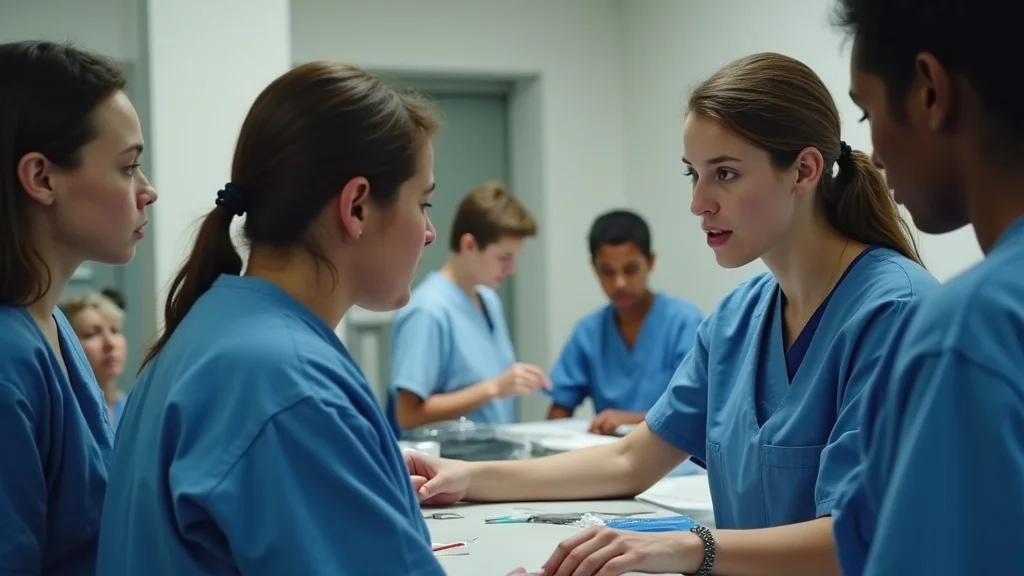
Imagine a sudden earthquake strikes, or a war breaks out, leaving countless people injured and in desperate need of medical care. Who rushes in to help? Often, it’s Doctors Without Borders. This organization provides vital medical assistance in crisis situations around the globe. This post will explore the operational locations of Doctors Without Borders, giving you a clear picture of their reach and impact. You’ll learn about their global presence, the challenges they face, and how they make a difference in some of the most difficult places. By the end, you’ll have a deeper appreciation for their work and where they focus their efforts. This exploration will boost your knowledge and provide useful insights.
Key Takeaways
- Doctors Without Borders operates in numerous countries, providing medical aid to those in need.
- The organization’s presence is often determined by conflict, natural disasters, and health crises.
- Their teams deliver essential medical care, including surgery, vaccinations, and treatment for diseases.
- Doctors Without Borders faces significant challenges, like security risks and logistical hurdles.
- The organization is independent and impartial, prioritizing the needs of patients above all else.
- They adapt their operations based on the ever-changing needs of the communities they serve.
The Global Footprint of Doctors Without Borders
Doctors Without Borders, also known by its French name Médecins Sans Frontières (MSF), maintains a widespread global presence. Their operations are not fixed; they adjust based on where the need is greatest. This means their locations are dynamic, changing in response to emergencies, outbreaks, and ongoing conflicts. While they don’t have permanent bases in every country, their teams are ready to deploy swiftly to any region where medical assistance is required. They continuously assess the global landscape to identify areas where they can provide the most support and make a meaningful difference in saving lives and alleviating suffering.
Understanding the Scope of Operations
The scope of Doctors Without Borders’ operations encompasses a vast array of countries and regions. They work in areas affected by conflict, such as Syria and Yemen, where ongoing wars have caused significant casualties and displacement. They also respond to natural disasters, like earthquakes and floods, deploying medical teams to provide immediate care and support. Additionally, they combat disease outbreaks, including measles, cholera, and Ebola, setting up treatment centers and vaccination programs. Their reach extends to countries with limited access to healthcare, such as remote areas of Africa and South Asia, offering essential medical services where healthcare infrastructure is weak or non-existent. This broad range showcases their commitment to helping people in crisis situations, regardless of their location.
-
Conflict Zones: Doctors Without Borders provides medical care in active war zones. They focus on treating those injured by violence, including civilians caught in crossfire. Their teams often work in dangerous areas, facing risks like shelling and attacks. They adhere to strict neutrality to ensure they can provide care to all, regardless of affiliation.
They establish field hospitals and mobile clinics to reach people who can’t access medical facilities. For example, during the Syrian conflict, they operated hospitals and provided surgical care to injured individuals, demonstrating their dedication in challenging environments.
-
Disaster Response: They rapidly deploy teams after natural disasters, such as earthquakes and floods. Their immediate response involves providing emergency medical treatment to those injured or displaced. They establish temporary medical facilities and distribute essential supplies.
The 2010 Haiti earthquake saw Doctors Without Borders teams providing extensive medical care, treating thousands of injuries and performing life-saving surgeries. This quick response is vital in providing immediate help and reducing loss of life.
-
Disease Outbreaks: They are active in controlling disease outbreaks, from Ebola to measles. They establish isolation units and treatment centers to manage infectious diseases. They provide vaccinations, distribute medical supplies, and educate communities about disease prevention.
During the Ebola outbreaks in West Africa, Doctors Without Borders played a central role, setting up treatment centers and offering crucial medical care, highlighting their dedication to controlling epidemics and providing crucial help.
Identifying Key Operational Regions
Several key regions are regularly targeted for intervention by Doctors Without Borders because of their persistent humanitarian needs. These areas are characterized by conflict, instability, and a lack of access to healthcare. Their work is targeted to the specific health crises, and the regions constantly shift depending on need. The organization carefully assesses global events and focuses resources where they can provide the most significant support, constantly moving their teams to accommodate global crises. This flexibility is vital in addressing the wide range of health challenges faced around the globe.
Focus on Africa
Africa has historically been a major area of focus for Doctors Without Borders. The continent faces numerous challenges, including armed conflicts, outbreaks of diseases, and a severe lack of healthcare infrastructure. Countries like the Democratic Republic of Congo, South Sudan, and Nigeria have long-term conflicts and widespread disease. Doctors Without Borders provides surgical care to those injured in conflict, treats patients affected by diseases like malaria and measles, and assists with vaccination programs. They also support local hospitals and clinics, strengthening healthcare systems. The high burden of disease and frequent emergencies make Africa a crucial region for the organization’s work. They address the diverse needs of communities and are committed to improving health outcomes and saving lives.
-
Democratic Republic of Congo (DRC): In the DRC, Doctors Without Borders provides medical aid to people affected by conflict, violence, and disease outbreaks. They offer treatment for malaria, measles, and other diseases. They operate mobile clinics to reach remote communities. They offer help to survivors of sexual violence.
In 2023, MSF treated over 350,000 patients for malaria in the DRC, highlighting the severity of the disease and the organization’s significant contribution to healthcare.
-
South Sudan: They provide medical care in South Sudan, a country facing conflict and humanitarian crises. They treat people affected by violence and diseases. They also assist women during childbirth and manage malnutrition.
In 2022, they conducted over 17,000 surgeries in South Sudan, demonstrating the impact of violence and the organization’s efforts to provide care.
-
Nigeria: In Nigeria, Doctors Without Borders addresses the impact of conflict and displacement. They treat injuries and diseases, offer maternal care, and manage malnutrition. They also conduct vaccination campaigns and help control disease outbreaks.
In 2023, MSF provided over 600,000 consultations for malaria in Nigeria, signifying the importance of addressing major public health challenges.
The Middle East and Its Challenges
The Middle East faces persistent conflict and humanitarian crises, making it another key operational region for Doctors Without Borders. Countries like Syria, Yemen, and Iraq have been ravaged by war, resulting in mass displacement, injuries, and a breakdown of healthcare services. Doctors Without Borders offers essential medical care in these challenging environments. They establish field hospitals, provide surgical care, treat injuries and diseases, and offer mental health support. The organization faces significant obstacles, including security risks and restricted access to some areas. They maintain neutrality and impartiality to ensure they can provide medical assistance to all people. Their efforts play a vital role in providing care and helping the injured and displaced in war-torn regions.
-
Syria: They provide medical assistance in Syria, a country devastated by conflict. They offer surgical care to war-wounded patients. They also provide treatment for chronic diseases and support primary healthcare services.
In 2023, they treated over 5,000 war-wounded patients in Syria, demonstrating the impact of ongoing conflict and the organization’s vital medical assistance.
-
Yemen: In Yemen, a country struggling with ongoing conflict and humanitarian crises, Doctors Without Borders provides crucial medical assistance. They offer treatment for malnutrition, provide maternal healthcare, and address the needs of those affected by conflict.
In 2022, they delivered over 14,000 babies in Yemen, highlighting the critical role they play in providing maternal healthcare services in a war-torn country.
-
Iraq: They provide medical care in Iraq, helping communities impacted by violence and displacement. They perform surgeries, treat injuries, and offer primary healthcare services. They also provide mental health support.
In 2022, MSF performed over 1,500 surgeries in Iraq, showcasing the impact of conflict and the organization’s essential medical care.
Operational Strategies and Adaptability
The approach of Doctors Without Borders is centered around flexibility and adaptability, which allows it to respond effectively to the changing needs of the communities. Their teams must be prepared for varied conditions, from conflict zones to disaster sites and disease outbreaks. They do not have fixed operations; they consistently assess and re-evaluate their actions based on the needs. This dynamic approach guarantees that they are ready to offer medical help where it is most needed, adjusting their strategies based on the specific circumstances. This flexibility allows Doctors Without Borders to remain effective in a wide variety of conditions.
Rapid Deployment and Field Operations
The organization is ready to deploy teams quickly to respond to crises. When emergencies occur, Doctors Without Borders quickly mobilizes its resources and personnel. This rapid deployment involves sending medical staff, equipment, and supplies to the affected area. They usually start by assessing the situation to identify the most urgent needs and develop a plan of action. They establish field hospitals, set up mobile clinics, and provide medical care to the injured and sick. They must consider logistical challenges, like transportation, security, and access to resources. Their quick response is critical in saving lives and minimizing suffering. They frequently work in difficult conditions, navigating complex environments.
-
Assessment and Planning: When a crisis strikes, they quickly assess the situation to determine the medical needs. They evaluate the number of injuries, the spread of diseases, and the availability of healthcare services. They formulate a plan, determining how to provide aid and what resources are necessary.
Following a major earthquake, Doctors Without Borders would conduct an initial assessment to determine how many injured individuals there are, what resources are available, and the best way to get medical help to the affected communities.
-
Establishment of Medical Facilities: They set up field hospitals and mobile clinics. Field hospitals provide essential surgical and medical care. Mobile clinics help to reach remote communities. These facilities are quickly established to provide immediate assistance.
In a conflict zone, Doctors Without Borders might create a field hospital to perform life-saving surgeries and provide advanced care for people injured in the fighting. They also set up mobile clinics to give primary care in areas where access to healthcare is limited.
-
Logistics and Supply Chain: They manage complex logistics to deliver medical supplies and equipment. This involves transporting supplies and coordinating transportation. They also deal with customs clearances, warehousing, and inventory management.
In an area affected by a natural disaster, Doctors Without Borders would coordinate the delivery of medical supplies. This involves dealing with the transport of those supplies, ensuring they arrive where they’re needed most, and managing the entire supply chain from beginning to end.
Adapting to Local Conditions
Doctors Without Borders adapts its operations to local conditions, ensuring that its actions are appropriate and impactful. This includes understanding the cultural context, adapting to the local healthcare system, and working within the local communities. They work with local staff, hire translators, and respect local customs. They also modify their practices to fit with the available resources and infrastructure. They also adjust to security risks, making changes to protect their teams and ensure they can continue their work. This strategy enables the organization to be more responsive to needs.
-
Cultural Sensitivity: They understand and respect local customs, values, and traditions. They make sure their medical staff is aware of cultural norms to build trust with communities. They also translate medical information into local languages to improve communication.
In a region where certain medical practices are culturally sensitive, Doctors Without Borders would adjust its approach, ensuring respect for customs and traditions.
-
Working with Local Communities: They interact with local communities, involving them in their efforts. This involves working with local healthcare workers, hiring local staff, and gathering input from the community about their needs and preferences.
When starting a vaccination campaign, Doctors Without Borders would work with local community leaders to share information and gather feedback to improve acceptance and effectiveness.
-
Security Protocols: They make sure their teams are safe by implementing security protocols. These include risk assessments, using local security experts, and coordinating with local authorities to guarantee safety.
In a dangerous region, Doctors Without Borders might use armored vehicles, restrict movement at certain times, and work with security guards to ensure the safety of its staff and patients.
Funding and Organizational Structure
Doctors Without Borders is an independent humanitarian organization supported by donations from people worldwide. This financial independence is key, allowing them to provide medical assistance without being influenced by governments or other organizations. Their financial model helps them to maintain neutrality and make decisions based on medical needs alone. They have a decentralized structure, with international offices and field missions that are independent. This structure allows the organization to respond quickly to crises and to adapt to local conditions. Transparency and accountability are important, ensuring that donations are used to maximize impact and that their operations are ethical and effective.
Financial Independence and Transparency
Doctors Without Borders relies on private donations, which gives it independence. The majority of their funding comes from individual donors, ensuring the organization can operate independently. This allows them to make decisions based on medical needs, not political or other influences. They are transparent about their finances, sharing detailed information about how money is used. This transparency builds trust with donors and the communities they serve. This financial model helps them maintain independence and accountability.
-
Donor Base: They get most of their funding from individual donors and other private sources. This financial model helps them stay independent and not rely on government funding, which could restrict their actions. This helps them provide unbiased medical care.
In 2023, more than 90% of Doctors Without Borders’ funding came from private donors, confirming their financial independence and allowing them to focus on medical needs.
-
Financial Reporting: They provide detailed financial reports, including how money is used. This involves publishing annual reports, which outline the expenditures of the organization. They also have an external audit to make sure their practices are in line with standards.
Doctors Without Borders publishes an annual report detailing how donations were used. This report describes where they worked and the outcomes of their programs, providing financial data that shows the impact of aid.
-
Accountability: They have rigorous accountability mechanisms to guarantee ethical and effective operations. This includes internal and external audits, evaluations of their programs, and policies to handle complaints.
Doctors Without Borders has a rigorous complaints system in place, allowing patients, staff, and communities to report concerns about their services. This helps in maintaining transparency and ethical practices.
Organizational Structure and Field Operations
The organization’s structure helps it to manage its global operations. At the core is the international secretariat, which is located in Geneva, Switzerland. This provides overall leadership and support to the field missions. The organization has regional offices that manage operations and programs. These are strategically positioned around the globe to manage work in the field. Field teams are made up of medical professionals, logistics experts, and support staff. The decentralized structure allows for quick decision-making and rapid deployment of resources, ensuring that aid can get where it is needed quickly. This structure is essential for responding to health crises around the world.
-
International Secretariat: The international secretariat, based in Geneva, provides leadership. The secretariat is responsible for setting policies, coordinating operations, and representing the organization.
The international secretariat provides strategic guidance for the entire organization, setting policies and guidelines for field operations and providing oversight.
-
Regional Offices: Regional offices are located around the globe to manage operations. These offices oversee programs in different countries. They provide support to field teams and coordinate local strategies.
Regional offices oversee multiple field missions in a specific geographic area, ensuring coordination and offering resources to their teams.
-
Field Teams: Field teams, made up of doctors, nurses, logisticians, and other professionals, provide the medical aid. They are deployed to areas affected by conflict, natural disasters, and disease outbreaks. They deliver medical care and support to the local populations.
Field teams work directly with local communities, delivering medical care, organizing vaccination campaigns, and treating patients in emergency settings.
Common Myths Debunked
Myth 1: Doctors Without Borders only operates in dangerous, high-profile locations.
Reality: While Doctors Without Borders often works in conflict zones and disaster areas, their operations are based on need, not just on the level of public attention. They respond to crises, regardless of the media coverage or geopolitical significance. They also provide care in areas with limited access to healthcare, such as remote communities, where the need is high but the spotlight may be less focused.
Myth 2: The organization is aligned with specific political agendas.
Reality: Doctors Without Borders is strictly impartial and neutral. They provide medical care based on needs alone, without considering political, religious, or other affiliations. They avoid taking sides in conflicts and maintain relationships with all parties involved to ensure access to those who need medical assistance.
Myth 3: Doctors Without Borders is only for emergencies.
Reality: They do respond to immediate crises, but they also offer long-term support, and are dedicated to improving healthcare in regions where it is difficult to find. This might involve establishing clinics, providing training to local healthcare workers, and working on disease prevention programs. This long-term involvement emphasizes their commitment to sustainable improvements.
Myth 4: Doctors Without Borders is only for specific types of medical issues.
Reality: While the organization responds to emergencies, it delivers a broad range of medical services. They provide basic primary care, treatment for chronic illnesses, maternal health services, and mental health support. The range of assistance demonstrates their dedication to meeting the varied healthcare needs of the communities they serve.
Myth 5: All doctors in Doctors Without Borders are from Western countries.
Reality: They actively recruit doctors, nurses, and other medical professionals from all over the world. They aim for diverse teams to better serve the needs of local communities. Local professionals often work in the organization, allowing them to provide culturally sensitive care and build stronger relationships.
Frequently Asked Questions
Question: How can I donate to Doctors Without Borders?
Answer: You can donate through their official website. There, you can make a one-time donation or set up recurring gifts. You can also mail a check or other donations.
Question: Are Doctors Without Borders workers safe?
Answer: The organization takes many safety steps. These include comprehensive risk assessments, security training, and collaboration with local communities. Despite these, working in conflict zones and crisis areas remains dangerous.
Question: How do they choose where to work?
Answer: They evaluate areas based on the level of medical need, which may include conflict, natural disasters, or outbreaks. They also consider things like access to healthcare and the health of the local healthcare system.
Question: Can I volunteer with Doctors Without Borders?
Answer: They do not generally use volunteers. They hire qualified medical professionals and support personnel to work in the field. There are various ways to show support, including fundraising and volunteering at a local office.
Question: What kind of medical assistance does Doctors Without Borders provide?
Answer: They provide a wide range of medical services, including emergency care, surgery, treatment for diseases (like malaria and measles), maternal health, and mental health support. They adapt their services to match the specific needs of each situation.
Final Thoughts
Where is Doctors Without Borders located? The answer is complex. Their reach is global, with operations in many countries and regions experiencing crisis or limited access to healthcare. The organization’s adaptability means their presence constantly changes based on world events and the needs of people. The focus of the group always stays on offering medical aid to those affected by conflict, natural disasters, and disease outbreaks. Doctors Without Borders is supported by individual donations, and this allows them to stay neutral and make their own decisions. Their commitment to rapid deployment, working with local communities, and maintaining independence guarantees they are a force for help in the world. Consider making a donation or sharing their message to help this crucial work continue. Your support can make a difference in helping people when they need it most.