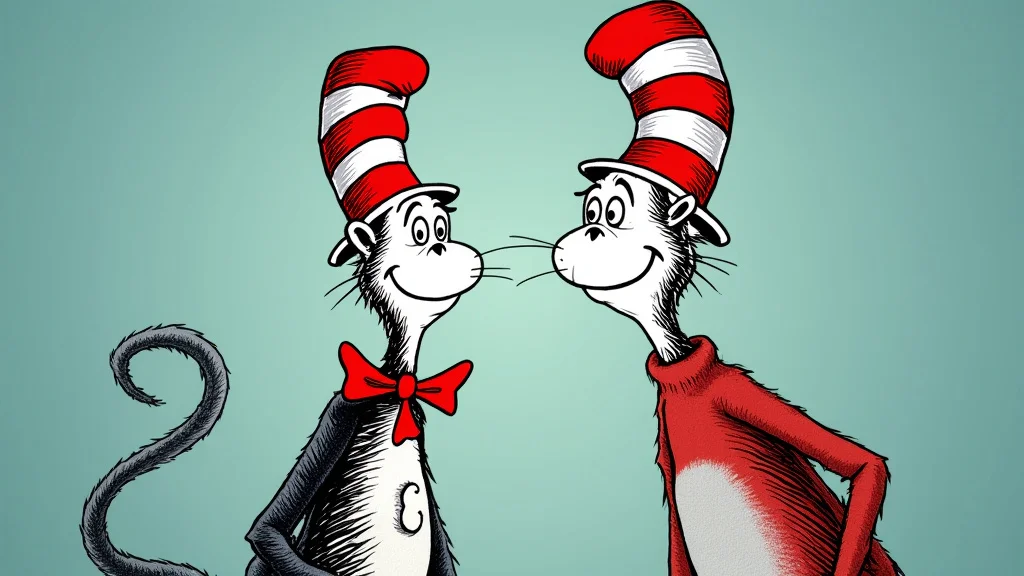
Remember those colorful books from your childhood? The rhyming stories and whimsical characters of Dr. Seuss were a staple for many of us. But recently, a question has come up: was Doctor Seuss a bad person? It’s a complex topic, and this post explores the good, the bad, and the sometimes problematic parts of his work. By the time you’re done, you’ll have a much clearer idea of what made Dr. Seuss so beloved, and what aspects of his life and art we need to consider critically. You’ll gain valuable insights into his evolving views and the impact of his work on different communities, giving you a complete picture to make your own informed opinion.
Key Takeaways
- This post examines the controversy surrounding Dr. Seuss’s legacy.
- You will learn about the historical context influencing his work.
- The evolution of his views on social and political issues will be explored.
- You’ll discover how his illustrations sometimes portrayed stereotypes.
- This post discusses the ongoing debate about censorship and artistic freedom.
- You will be able to form a more informed view on his impact.
The Colorful World and Complex History of Dr. Seuss
Theodor Seuss Geisel, known to the world as Dr. Seuss, brought joy to generations through his imaginative stories and unique illustrations. His books, like “The Cat in the Hat,” “Green Eggs and Ham,” and “How the Grinch Stole Christmas!,” are still read and loved worldwide. However, the world has changed since those books were first published, and a fresh look at his life and work is important to do now. The discussion about was doctor seuss a bad person has become more intense in recent years.
Born in 1904, Geisel grew up in Massachusetts. He attended Dartmouth College and later Oxford University. His career in children’s literature began after he worked in advertising and political cartoons. His playful use of language, rhythm, and imaginative characters quickly made him a success. But beneath the surface of his whimsical stories are layers of history and context that shape our current view of his work.
The Development of the Seuss Style
Dr. Seuss’s signature style is instantly recognizable. His illustrations are colorful, often featuring fantastical creatures and exaggerated forms. But have you thought about where this all came from? His style wasn’t just an artistic choice; it grew from his unique way of looking at the world. It evolved over time, influenced by his experiences and the world around him. This included the use of bold lines, unusual perspectives, and a whimsical approach that made his books distinct.
- Early Influences: Initially, Geisel’s style was influenced by advertising and political cartoons. He was skilled at capturing attention and conveying strong messages.
- Experimentation: Over time, he developed his own style, playing with language and shapes in a way that had never been seen before.
- Visual Storytelling: Geisel’s illustrations tell stories on their own. The colors, shapes, and characters he created worked together to bring the story to life.
- Political Cartoons: His earlier work in political cartoons had a definite impact. The way he used visual metaphors and the messages within these cartoons began to shape the tone of his children’s books.
Dr. Seuss’s art wasn’t always just fun and games. In World War II, he created political cartoons that supported the war effort. His illustrations sometimes included harmful stereotypes, especially against Japanese people. These images have sparked a lot of conversation about his work. It’s important to understand the era he was living in and what influenced his creativity.
The Historical Context of His Era
To fully understand the question of was doctor seuss a bad person, it’s essential to look at the time he lived in. His childhood and early adult years were marked by significant social and political changes. This was a period of both great progress and deeply ingrained biases. His views and the themes in his books were definitely shaped by the world around him.
- Early 20th Century: The early 1900s was a time of rising nationalism and emerging global conflicts. The First World War shaped public opinion and created a sense of fear.
- World War II: During World War II, he created political cartoons that reflected the views of the time. These cartoons reveal his evolving position.
- The Civil Rights Movement: The Civil Rights Movement challenged existing social norms and encouraged people to re-examine their views on race and equality.
- Post-War America: Post-war America saw a boom in consumerism and suburban life. This created a new kind of audience for children’s books and a new way of life.
Understanding these historical events is key to knowing the different influences on Dr. Seuss’s life and work. They help explain the context in which his books were created and allow you to explore any possible issues. This also allows a more complete understanding of why and how Dr. Seuss’s work is perceived today.
Examining the Controversies in Seuss’s Work
The heart of the discussion about was doctor seuss a bad person often comes down to the way some of his illustrations and writings have aged. His work contains harmful stereotypes and depictions of certain groups of people. These concerns bring up questions about the impact his books had on young readers and the message they conveyed. It’s important to explore these sensitive areas with care and understanding.
Some of the most criticized elements of Dr. Seuss’s work involve his portrayal of different races and cultures. In some of his earlier works, characters were drawn with racist caricatures. These depictions reinforced harmful stereotypes and have been recognized as insensitive and offensive. This has led to the removal of some of his books from publication.
Racism and Stereotypes in His Illustrations
Certain images in Dr. Seuss’s books have sparked major debate about his work. The way he drew people from different backgrounds included offensive and inaccurate depictions. The most troubling elements in his illustrations are based on old racial stereotypes. They were used to depict people of color in demeaning ways.
- “And to Think That I Saw It on Mulberry Street”: This book has come under fire for its depiction of a character drawn with racial stereotypes.
- “If I Ran the Zoo”: This book contains images of characters that have been criticized as being based on racist caricatures.
- Political Cartoons: His wartime political cartoons also featured stereotypes. These drawings of Japanese people had a definite negative effect.
- Representation: In many of his books, people of color are often portrayed as the ‘other’ or the ‘exotic’. They often don’t have the same features as the main characters.
These portrayals reflect the social biases of the time. Many people question whether these stereotypes were intentional. But regardless, they still caused harm. This is where it’s important to recognize that understanding the historical context does not excuse the impact of racist imagery.
The Evolution of His Views on Race
While some of his work reflects the biases of his era, it is important to understand that Dr. Seuss’s views changed over time. His later works showed a definite awareness of racial issues, indicating an attempt to do better. He started using his platform to promote messages of equality and understanding. His change in position shows a willingness to confront his own biases and evolve as an artist and a person.
- Self-Reflection: The fact that his early work had issues shows that he had the ability to change.
- Anti-Bias Messaging: Later books like “Horton Hears a Who!” promoted ideas of equality and respect for everyone.
- “The Sneetches”: This book uses a simple story to address prejudice. It offers messages of inclusivity and acceptance.
- Addressing Bias: Some people feel that he did make a real attempt to address the negative impact of his early work.
Although it does not erase the harm done by his earlier work, his willingness to change is very significant. This change reveals a complex and evolving mind. It raises questions about how we view an artist’s complete body of work and how to evaluate their impact over time.
The Question of Censorship and Artistic Freedom
The decision to remove or change books created by Dr. Seuss has raised questions about censorship and artistic freedom. The discussion about was doctor seuss a bad person is often connected with questions about who gets to decide what books are appropriate. There are different views on this issue, and the discussion continues to be active.
On one side, people worry that removing books could be censorship. They believe it is important to preserve access to literature. They feel it enables people to study historical context and to learn from the past. Others think that the removal of these books is a necessary step to protect children from potentially harmful ideas.
Balancing Artistic Expression and Social Responsibility
The debate over censorship often comes down to how much artists should be held responsible for the content of their work. This involves balancing artistic freedom with the potential harm that art can cause. It also means looking at how art can be used to promote harmful stereotypes or to create a negative impact.
- Artistic Freedom: Some people argue that artists should have the freedom to create whatever they want. They believe that censorship can limit creativity and free expression.
- Social Impact: On the other hand, art is not created in a vacuum. It is important to know the impact of the art, especially on the young.
- Context: The historical setting and context of a book are an important part of the conversation.
- Representation: How different groups of people are shown is a major question to consider.
Finding a balance between artistic expression and social responsibility is difficult. It calls for thoughtful conversations and a desire to understand different perspectives.
The Ongoing Debate About His Work
The conversation about Dr. Seuss’s legacy is active. It includes educators, parents, and critics. They discuss how his books should be used, taught, and understood. The discussion raises important questions about the role of children’s literature in our society.
- Re-Evaluation: Re-examining his books in light of today’s values has allowed a more complete understanding.
- Education: Some feel his books can be used as teaching tools. This enables students to learn about history and social issues.
- Parental Choice: Parents have the right to choose what their children read.
- Cultural Sensitivity: Books are being reviewed to remove any problematic imagery or themes.
There are multiple viewpoints on Dr. Seuss and his work. These range from celebrating his creativity to criticizing the problematic aspects of his work. This debate is a part of our ongoing effort to deal with history and the impact of art.
Common Myths Debunked
Myth 1: Dr. Seuss was only a children’s author.
Answer: Although known for his children’s books, Dr. Seuss also created political cartoons, advertisements, and even adult-oriented material. His creative career spanned multiple areas.
Myth 2: His work was always intended to be harmless and innocent.
Answer: While his books were meant for children, many of them also contained social and political messages. They were also shaped by the context of the time when they were made.
Myth 3: Canceling his books is the only way to deal with the issues.
Answer: There are many approaches. Some believe that his books should be taught alongside critical analysis. This shows people the historical context and enables important conversations.
Myth 4: Dr. Seuss never changed his views or addressed his mistakes.
Answer: It is true that his later books showed a greater awareness of racial equality and social issues. This shows his ability to reflect and change over time.
Myth 5: His books are always a positive influence on young readers.
Answer: While many of his books have wonderful messages, others contain images and themes that can be harmful. The influence of his work is complex and includes both positive and negative elements.
Frequently Asked Questions
Question: Why is Dr. Seuss still controversial today?
Answer: His work is still controversial because some of his early illustrations and writings include harmful stereotypes and problematic depictions of different groups.
Question: Did Dr. Seuss ever apologize for his racist imagery?
Answer: While Dr. Seuss did not publicly apologize, his later work shows a definite attempt to be more inclusive and deal with the social issues of the time.
Question: Are all of Dr. Seuss’s books problematic?
Answer: No, some of his books contain timeless messages about kindness, equality, and the environment. Others have been criticized for containing problematic imagery.
Question: Should we stop reading Dr. Seuss’s books to children?
Answer: This is a personal decision. Some parents and educators choose to still read the books and address any issues. Others may choose to avoid them.
Question: How can I discuss Dr. Seuss’s work with children?
Answer: You can use his books as a way to learn about history and social issues. This can be done by discussing the context of the work and the historical influences.
Final Thoughts
So, was doctor seuss a bad person? It’s clear that the answer isn’t simple. While his books provided entertainment and fun for millions, his work also contains elements that reflect the biases of his time. The key is to look at his complete body of work and the historical context. It is also important to consider his later attempts to address social issues. His stories spark important conversations about creativity, social responsibility, and artistic freedom. The debate continues. You can explore his work yourself, consider all the sides, and make your own decisions. By thinking critically about his life and work, you can reach your own conclusions about the legacy of Dr. Seuss.