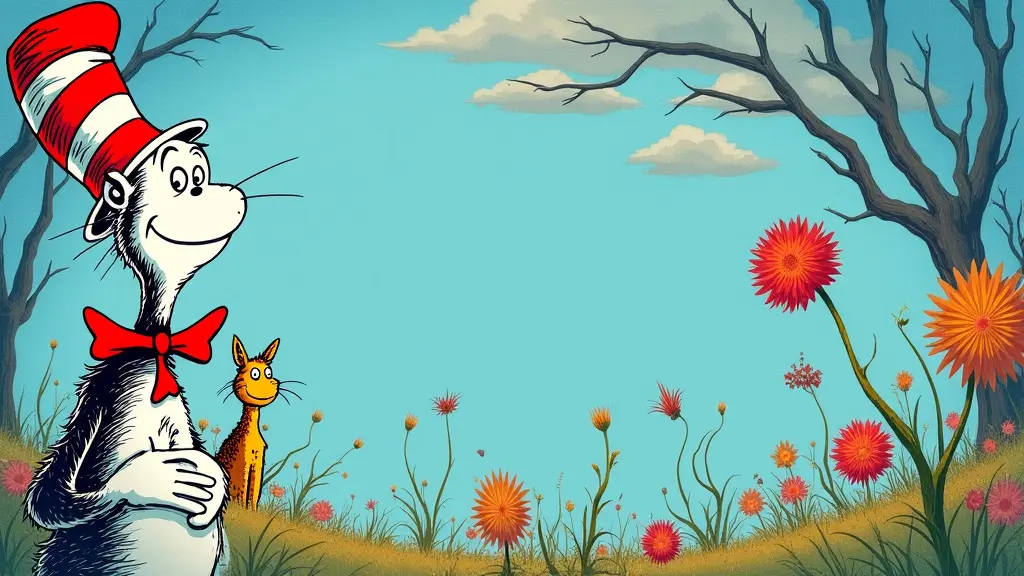
Remember those childhood afternoons spent curled up with a brightly colored book, lost in fantastical tales of wacky characters and rhyming verses? Chances are, you were enjoying the magic of Doctor Seuss. His imaginative stories captivated generations, shaping our love for reading and creativity. This post will explore the life, career, and lasting impact of Theodor Seuss Geisel, also known as Doctor Seuss. You’ll gain a deeper appreciation for his work and learn about the man behind the whimsical world. By the end, you’ll have a thorough grasp of Seuss’s significant contributions to children’s literature, boosting your appreciation for reading and the art of storytelling.
Key Takeaways
- Discover the true identity of Doctor Seuss and his career.
- Explore the unique storytelling style and artistic techniques of Seuss.
- Learn about the impact Doctor Seuss had on children’s literature.
- Examine the legacy of Doctor Seuss’s work and its continued relevance.
- Understand the cultural significance of Doctor Seuss’s books.
- Identify the common themes and messages found in Seuss’s stories.
The Man Behind the Cat in the Hat: A Biographical Sketch
Theodor Seuss Geisel, better known as Doctor Seuss, was born on March 2, 1904, in Springfield, Massachusetts. His parents, Theodor Robert Geisel and Henrietta Seuss Geisel, raised him in a supportive environment, encouraging his creative pursuits from a young age. Growing up, Seuss was exposed to a diverse range of influences, sparking his imagination and shaping his unique artistic perspective. These early experiences laid the groundwork for his future success as an author and illustrator.
Seuss’s educational journey began at Dartmouth College, where he joined the humor magazine, “Dartmouth Jack-O-Lantern.” Here, he began using the pen name “Seuss.” He later moved to Oxford University, where he studied English literature but did not complete a degree. This academic background, combined with his natural storytelling talent, equipped him with the skills necessary to craft the memorable children’s books he is celebrated for today. Returning to the United States, Seuss began his career illustrating for various publications, which gradually paved the way for his foray into children’s literature. His early work reflected the political climate of the time, often featuring satirical illustrations.
Early Career and Influences
Before becoming a household name, Seuss worked as a cartoonist and advertising illustrator. His distinctive style quickly gained recognition, and he secured contracts with notable publications like “Judge” and “Vanity Fair.” These initial ventures allowed him to refine his drawing style and experiment with visual storytelling, all of which later contributed to his children’s books. He also worked on advertisements for products like Flit insecticide, which helped develop his artistic techniques and ability to craft engaging visuals.
- Political Cartoons: During World War II, Seuss created politically charged cartoons that communicated complex messages about the war effort and societal issues. These were a form of storytelling using pictures and words.
- Advertising: Seuss’s advertising work, most notably his work for Standard Oil, further developed his unique illustrative style. These ads showcased his ability to attract viewers.
- Early Illustrations: Before children’s books, Seuss worked extensively as an illustrator for magazines and other publications, refining his style and earning recognition.
Seuss was deeply influenced by the artistic styles of the 1920s and 1930s. He appreciated the whimsical, playful approach of artists like Paul Klee and Max Ernst, allowing him to create characters and settings that broke from conventional depictions. His interest in Dadaism and Surrealism, with its emphasis on imagination and unconventional imagery, also helped shape his distinct artistic style. His work also incorporated elements from these movements, which added a layer of depth and visual interest.
The Birth of a Literary Legend
In 1937, Seuss published his first children’s book, “And to Think That I Saw It on Mulberry Street.” The book, which showcased his trademark rhyming style and quirky illustrations, was an instant success. It launched his career as a children’s author. The story was rejected by multiple publishers before being accepted, showing the challenges he faced when breaking into the industry. This book began the journey that would see him become one of the most beloved children’s book authors of all time.
- Rejection and Perseverance: Before its publication, “And to Think That I Saw It on Mulberry Street” was rejected by numerous publishers, showing Seuss’s persistence.
- Rhyming Style: Seuss’s use of rhyme quickly set him apart, making his books fun to read aloud and helping children learn.
- Unique Illustrations: His distinctive drawing style immediately captured readers’ attention, helping his books stand out visually.
The success of “Mulberry Street” paved the way for a string of iconic titles, including “The Cat in the Hat,” “How the Grinch Stole Christmas!,” and “Green Eggs and Ham.” Seuss’s books were always innovative and entertaining. These books solidified his place in literary history and made him one of the best-selling children’s authors of all time. Seuss’s ability to engage children with his innovative stories and distinctive illustrations helped build a devoted readership.
The Seussian Style: A Deep Dive Into His Literary Art
Doctor Seuss‘s artistic genius is apparent in his distinctive visual style and writing approach. He developed a signature style characterized by whimsical illustrations, innovative language, and storytelling. His work combines artistry, language, and imagination. Seuss aimed to create an experience that would not only entertain but also stimulate imagination.
His illustrations are instantly recognizable, with exaggerated features, vibrant colors, and dynamic compositions. His drawings are populated by fantastical creatures and imaginative landscapes. He didn’t focus on realistic representation but used his drawings to create a sense of fun. His art combined both visual appeal and literary skill, helping his books stand out.
Rhyme and Rhythm: A Symphony of Words
A hallmark of Seuss’s writing is his mastery of rhyme and rhythm. He created his unique style using simple words and inventive rhymes. He often used the trochaic tetrameter, a rhythmic pattern that made his writing fun to read aloud. His commitment to the rhyme and rhythm allowed him to shape his narratives into enjoyable experiences. His style made reading fun and memorable for children.
- Inventive Wordplay: Seuss was a master of coining new words and using existing words in creative ways.
- Simple Vocabulary: He deliberately used a limited vocabulary in many of his books, making them easy for children to understand and enjoy.
- Memorability: The rhymes and rhythms of his stories have helped children remember his tales.
Seuss’s use of rhyme made his work accessible to young readers and enjoyable to adults. He used rhyming as a creative device, building plots and developing characters. He frequently used alliteration and internal rhyme to create patterns within his poems, contributing to their sing-song quality. His style made reading fun and educational, turning complex ideas into easily digestible content.
Visual Storytelling: The Art of Imagination
Seuss’s illustrations are as important as his words. He was able to communicate complex ideas through his drawings. His use of vibrant colors, exaggerated forms, and unique creatures captures the attention and imagination of young readers. His attention to detail and ability to depict the emotional nuances within his illustrations brought the stories to life. He helped communicate the book’s messages and themes through his visual art.
- Exaggerated Features: Seuss was known for drawing characters with exaggerated features.
- Whimsical Creatures: The imaginative creatures in his stories, like the Grinch or the Lorax, became symbols of his storytelling style.
- Dynamic Compositions: He utilized dynamic compositions and angles to maintain the readers’ attention.
Seuss’s artistic style evolved over time. Early works like “Mulberry Street” have a simple, two-dimensional feel. Later books, such as “Oh, the Places You’ll Go!,” have a more complex visual depth. He also combined artistic elements. His unique ability to combine his art and his words allowed him to create the unique feel of his books. His unique approach made his books highly popular.
Beyond the Books: Examining the Cultural Impact of Doctor Seuss
Doctor Seuss’s influence extends far beyond the pages of his books. His stories have left a permanent mark on children’s literature, popular culture, and the way we think about education and social issues. His stories were adapted into films and other media, which further extended his reach and the cultural influence.
Seuss’s books are part of many cultural experiences. His characters, like the Cat in the Hat and the Grinch, have become symbols of childhood. The stories are often integrated into educational settings. His legacy continues to grow. His impact continues to shape our view of children’s literature.
Influence on Children’s Literature
Seuss’s approach to writing and illustrating helped change children’s literature. He showed that books could be fun and educational. His use of rhyme, rhythm, and imaginative characters helped children enjoy reading. He also inspired many writers and illustrators. His unique approach changed what was possible in children’s books.
- Simplified Vocabulary: Seuss proved that books could be created with a limited vocabulary.
- Encouraging Creativity: His fantastical worlds and characters encouraged imagination and playfulness.
- Accessibility: Seuss’s books were available to a wide audience.
Seuss’s work also helped make reading fun for children. His impact changed the way educators view literacy. His work set the standard for children’s books. His influence can still be seen in the literature children are reading now. His contribution to children’s literature remains profound.
Adaptations and Cultural Touchstones
Seuss’s stories have been made into numerous films, television shows, and stage productions. These adaptations helped expand Seuss’s reach. They also helped solidify his status as a cultural icon. The characters and stories became recognizable in American culture. These adaptations included movies like “How the Grinch Stole Christmas” and “The Cat in the Hat,” with many other television shows.
- Animated Specials: Animated television specials, which began in the 1960s, introduced new generations to Seuss’s tales.
- Feature Films: Feature-length films, often combining live-action with animation, brought Seuss’s worlds to life on a larger scale.
- Stage Productions: Musical adaptations of his books have been successful on Broadway and in other theatrical settings.
The adaptations increased his popularity and ensured that his stories reached a broader audience. These adaptations allowed more children to experience his imaginative worlds. His stories continue to be adapted in various media, demonstrating their ongoing cultural relevance. His work will continue to influence generations to come.
Doctor Seuss and Social Commentary: Addressing Important Topics
While celebrated for his entertaining stories, Doctor Seuss also addressed important social issues. He used his work to tackle themes such as environmentalism, prejudice, and consumerism. He used children’s books to discuss serious subjects. This made complex topics accessible to young readers. His storytelling helped spread awareness about those issues.
Seuss’s stories contain moral messages, such as the importance of respecting others. He used his characters to challenge societal norms. He encouraged viewers to think about their choices. His subtle yet impactful stories continue to influence readers.
Environmental Messages
In “The Lorax,” Seuss warns about environmental destruction. He brings this to life with the colorful Truffula Trees and the Once-ler. The Lorax represents environmental advocacy. This book highlighted the need to conserve natural resources and prevent pollution. His work continues to have an impact. The Lorax has become a symbol of conservation.
- Deforestation: The story highlights the impact of deforestation on the environment.
- Pollution: The story addresses the consequences of environmental pollution and industrial greed.
- Importance of Conservation: The book encourages readers to act responsibly towards the environment.
Seuss’s book provides a message of environmental protection. The story is frequently used in educational settings to teach children about the importance of environmental responsibility. “The Lorax” is still used to inspire environmental action.
Addressing Prejudice and Discrimination
Seuss explored issues of prejudice and discrimination. In “The Sneetches,” Seuss used the story to discuss themes of discrimination and acceptance. The Sneetches with stars on their bellies were considered superior to those without them. Seuss’s stories tackled discrimination through allegorical tales, encouraging readers to see that outward appearances shouldn’t matter.
- Star-Belly Sneetches: This book used the Sneetches with stars on their bellies to highlight how people value certain traits over others.
- Discrimination: The Sneetches also explored themes of prejudice.
- Moral Message: Seuss promoted values like respect, kindness, and acceptance.
His stories highlighted the absurdity of bias and the importance of treating everyone with dignity. His approach made complex concepts accessible. His messages are still used today to teach tolerance.
The enduring legacy of Doctor Seuss: A Timeline of Achievements
Doctor Seuss’s contributions to literature have been recognized through numerous awards and honors. His impact on children’s literature is significant. These awards help show the importance of his work and his impact on children.
His work has received both critical acclaim and popular appeal. His awards are a testament to his impact. He left behind a legacy that continues to influence the world. His contributions continue to be appreciated.
Major Awards and Recognition
Seuss received many awards during his career. He won the Pulitzer Prize in 1984 for his contributions to children’s literature. His work has been recognized by many. He received an Academy Award for “Gerald McBoing-Boing.” His book “Horton Hears a Who!” also received an award. He was awarded the National Medal of Science in 1991 for his scientific insights.
- Pulitzer Prize: In 1984, Seuss received the Pulitzer Prize for his contribution to children’s literature.
- Academy Awards: He received several Academy Awards.
- Other Awards: He received numerous honors for his work.
These awards show his significant contributions to literature. He was celebrated for his inventive writing style. He was recognized for his lasting impact on generations of readers. His continued contributions are still recognized today.
Impact on Education and Literacy
His books are a key component of literacy programs worldwide. His rhymes and storytelling techniques help children love reading. His work has influenced how educators approach literacy. His books have made reading fun and accessible for children.
His writing has been proven to improve literacy rates in schools. Teachers use his books to teach reading skills. He contributed to the creation of reading programs. His educational impact continues to grow. His techniques are still used in schools.
Common Myths Debunked
Myth 1: Doctor Seuss’s stories are just for fun.
The reality is that Seuss’s books are much more than just entertainment. They often contain moral lessons and social commentary. These tales use imagination and creativity to address topics. His books contain complex themes and ideas. This includes environmentalism, social justice, and equality. His books have had a profound impact on children and the ways in which they view the world.
Myth 2: Doctor Seuss wrote for very young children only.
While Seuss’s books are widely read by young children, his work appeals to a much broader audience. His books can resonate with people of all ages. His use of layered language and complex themes is understood by older children and adults. His books tackle themes. His stories have something for everyone. His works still hold up over time and continue to reach readers of many ages.
Myth 3: Doctor Seuss’s books are simple and don’t require careful reading.
The truth is that Seuss’s stories are filled with inventive language, creative rhyme schemes, and subtle messages. His books benefit from close examination. His books also contain literary devices, such as alliteration and metaphor. They can be interpreted in ways that reveal deeper meanings. His writing encourages children to explore the world around them.
Myth 4: Doctor Seuss’s work lacks substance and depth.
His books are often more complex than they appear, exploring significant themes like environmentalism. He uses his writing to encourage critical thinking. His characters are engaging, and his world is unique. His work has substance and depth. His work has an incredible impact on his readers.
Myth 5: Doctor Seuss was only interested in making money.
Seuss was driven by his love for children and his desire to make them think and learn. His goal was to entertain and educate. He tried to teach morals. His works show his dedication. He used his work to make a difference in the lives of his readers.
Frequently Asked Questions
Question: Why is Doctor Seuss’s work still popular?
Answer: Doctor Seuss’s work is still loved because it is imaginative, fun, and contains timeless themes. The books use unique illustrations, making them fun to read. The stories often contain moral lessons. They also tackle serious topics like environmental protection and discrimination.
Question: What is Doctor Seuss’s writing style?
Answer: Doctor Seuss is known for his rhyming verse and inventive wordplay. He uses a unique style. He also uses whimsical illustrations. His stories are easy to read and understand. His work uses creative stories to address complex ideas.
Question: How did Doctor Seuss get his pen name?
Answer: He began using the pen name “Seuss” during his college years. He created the pen name during his time at Dartmouth College. His real name was Theodor Seuss Geisel. He used the pen name for his cartoon work.
Question: Did Doctor Seuss ever write any books for adults?
Answer: While primarily known for his children’s books, Doctor Seuss also wrote and illustrated some books for adults early in his career. His most well-known adult work is a collection of humorous cartoons. These early works are still enjoyed by readers. His unique humor still shines through.
Question: What is Doctor Seuss’s most famous book?
Answer: “The Cat in the Hat” is often considered Doctor Seuss’s most famous book. It is a cornerstone of children’s literature. “How the Grinch Stole Christmas!” is also very popular. His unique stories have impacted readers worldwide.
Final Thoughts
Doctor Seuss leaves behind a legacy of creativity and innovation in children’s literature. He broke new ground in storytelling. His use of rhyming, whimsical characters, and vibrant illustrations brought joy to generations. His stories are a gateway to the world of reading, inspiring children to enjoy literature. Through his imaginative stories, he taught the importance of kindness, environmental protection, and standing up for what is right. His characters, such as the Cat in the Hat and the Lorax, have become cultural icons. Keep reading his stories, explore his imaginative world, and share the gift of his wonderful books with the next generation.