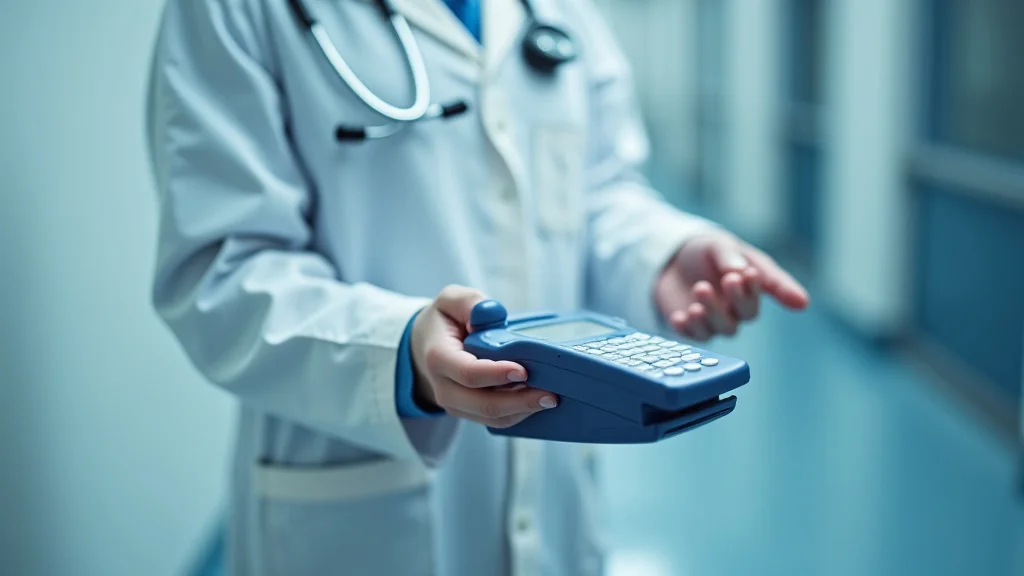
Picture this: a bustling hospital hallway, the rhythmic beeping of various medical devices, and then… a familiar chirp. Is it a vintage movie, or something more current? The reality might surprise you. Remember the iconic pagers of the past? Well, in this article, we’ll explore whether do doctors still use pagers in an era dominated by smartphones and instant communication. You’ll learn the reasons behind their continued usage, the advantages they offer in healthcare settings, and their likely future. Get ready to discover why these seemingly outdated devices are still relevant today. We aim to clarify common questions and provide a comprehensive overview to improve your knowledge about medical communication.
Key Takeaways
- Despite advancements in technology, many doctors still rely on pagers for specific communication needs.
- Pagers offer distinct advantages, including reliable communication and strong battery life, especially in critical situations.
- The use of pagers often complements modern communication tools like smartphones and secure messaging apps.
- Cost-effectiveness and security are also significant factors in maintaining the use of pagers in healthcare.
- Future medical communication systems will likely integrate pagers and newer technologies.
- Healthcare providers value the uninterrupted, immediate, and dedicated communication pagers supply.
The Enduring Presence of Pagers in Modern Medicine
You may be surprised to learn that do doctors still use pagers. The world of healthcare operates at a rapid pace. Important information needs to reach the right people instantly. While the general public embraces smartphones and the internet, medical environments require communication that’s always available. Pagers, often referred to as beepers, have maintained a strong foothold in hospitals and medical practices, even as digital devices took over personal communication. These small, portable devices have persisted because they fill a particular need that other systems can’t always meet.
The continued use of pagers is tied to their dependability and the unique demands of medical settings. Unlike smartphones that need internet connectivity and cell service, pagers use a different kind of technology. Pager systems use radio frequencies, providing a dedicated, focused channel for urgent messages. This means that a doctor, surgeon, or specialist can always receive those notifications, even when other networks fail or are overloaded.
Reliability and Dedicated Communication
One of the primary reasons for the continued use of pagers is their proven reliability. In critical situations, every second counts. Pagers are extremely dependable for sending and receiving important messages. They operate independently of the internet or cellular networks, making them less vulnerable to outages. This is crucial in medical environments where constant, accessible communication is essential.
- Dedicated Channels: Pagers use dedicated radio frequencies, which ensure messages get through quickly, without congestion or interference.
- Robust Infrastructure: Pager networks often possess backup systems that keep them running, even if there are infrastructure issues.
- Fewer Points of Failure: Pagers have a simpler architecture than smartphones. There are fewer chances for system malfunctions or technical problems.
Consider a situation where a patient suddenly needs emergency care. If a smartphone loses signal or the network is congested, the doctor might not receive the message quickly. But a pager guarantees the message’s delivery, which can make a huge difference in the patient’s care. This reliability makes pagers an irreplaceable tool for medical personnel.
Battery Life and Ease of Use
Pagers typically have long battery lives, offering several days or sometimes weeks of use without needing a recharge. This long-lasting operation guarantees that medical staff are consistently reachable, even during hectic shifts or during emergencies when charging is not an option. The design of pagers also favors ease of use. Their basic functionality allows doctors to receive messages without the distraction of numerous apps or complex interfaces. Doctors can immediately respond to patient needs. This convenience reduces the time needed for communication tasks, freeing medical staff to focus on patient care. Simplicity is a key factor in healthcare, where clear, quick communication is essential.
- Long Battery Life: Pagers frequently have very long battery life, reducing the need for continuous charging and ensuring constant availability.
- Simple Interface: The straightforward design of pagers means medical professionals can quickly see incoming messages.
- Durable Design: Pagers are designed to be durable, able to withstand harsh environments.
Imagine a surgical team preparing for a long operation. They need to be available for quick communication. A pager provides a solution that is both dependable and convenient. They can receive notifications without being concerned about a drained battery or the complexities of modern smartphones.
Advantages of Pagers for Doctors
Do doctors still use pagers? Yes, and they offer a range of advantages tailored to the specific requirements of medical communication. These benefits extend beyond just dependability. The advantages of pagers play a key role in the efficiency of healthcare. Pagers improve the ability of healthcare professionals to offer timely care to patients. The use of pagers results in better coordination between care teams, resulting in better outcomes. These devices stand out due to their distinct communication capabilities.
Security and Privacy Considerations
In medical settings, protecting patient information is very important. Pagers provide a degree of protection and security that makes them attractive. They are a closed system. Because they don’t have internet connectivity, the risk of data breaches or hacking is reduced. This is a very important feature that smartphones and other internet-connected devices do not have. This capability helps doctors and medical personnel meet privacy requirements.
- Reduced Attack Surface: Lacking internet capabilities makes pagers less vulnerable to cybersecurity threats like malware and hacking attempts.
- Secure Messaging: Pagers can transmit short messages, which reduces the possibility of confidential data being exposed.
- Compliance with Regulations: Pagers meet many of the strict privacy standards, which helps medical facilities comply with regulations.
For example, if a doctor needs to be notified about a patient’s lab results, a pager transmits this vital information without the risk of interception. This is important for meeting the strict rules of patient privacy.
Cost-Effectiveness
Compared to the cost of smartphones and complicated communication systems, pagers provide a cost-effective solution, especially for hospitals and medical practices that need reliable communication. The initial purchase price of pagers is usually lower than that of high-end smartphones. Also, the operational costs, like monthly service fees, are often much less. This cost efficiency is very important for medical facilities, allowing for careful allocation of financial resources. It makes pagers a practical solution for hospitals and healthcare services.
- Lower Upfront Costs: The initial purchase price of pagers is usually lower than the cost of smartphones.
- Reduced Operational Costs: Ongoing service fees for pagers are usually lower than those associated with more advanced communication tools.
- Long-Term Value: The durability and long lifespan of pagers mean that medical facilities can get many years of service from these devices.
A rural clinic with budget constraints can provide essential communication through pagers. This is more budget-friendly than investing in an advanced cellular communication setup. This cost-effectiveness makes pagers a practical option, ensuring reliable communication.
Comparing Pagers to Modern Communication Tools
While pagers retain a place in healthcare, it’s also important to explore how they contrast with other communication technologies. Smartphones, secure messaging apps, and other advanced tools each provide different capabilities, and the most effective communication approach often combines different technologies to optimize communication. Modern healthcare systems need a balance between the speed and features of today’s devices and the dependability of pagers.
Pagers vs. Smartphones: Key Differences
Smartphones have transformed communication in nearly all aspects of our lives, but pagers still offer specific benefits in medical contexts. Smartphones provide more features, like video calls, internet access, and comprehensive apps, but they rely on cell service or Wi-Fi, which can fail. Pagers operate over radio frequencies, assuring constant communication. The selection of which gadget to use frequently depends on the particular needs of the medical environment.
| Feature | Pager | Smartphone |
|---|---|---|
| Connectivity | Dedicated radio frequencies | Cellular and Wi-Fi networks |
| Battery Life | Long (days to weeks) | Moderate (hours to days) |
| Functionality | Simple: message reception | Advanced: calls, apps, internet |
| Security | High: less prone to hacking | Variable: higher risk of breaches |
| Cost | Lower upfront and operational costs | Higher upfront and operational costs |
While smartphones offer many capabilities, the reliability of pagers in areas with bad network coverage makes them a better choice for critical communications. Medical teams can choose tools that best meet their requirements. The choice of which device to use is made based on the communication requirements and the setting of use.
Integration with Secure Messaging Apps
Secure messaging apps are becoming more prevalent in healthcare. They offer a protected way for medical staff to exchange patient data and other vital information. Pagers can be integrated with these apps to offer quick alerts. If a doctor receives a message on their pager, they can immediately switch to the secure messaging app on their smartphone or tablet. The combined use of pagers and secure messaging apps provides a balanced method for medical communication. This allows quick notifications and also gives access to the comprehensive capabilities of secure messaging.
- Alerting System: Pagers are used to send immediate alerts, while secure apps manage more thorough conversations.
- Data Security: Secure messaging apps provide a safe environment for exchanging sensitive medical information.
- Improved Workflow: The integration of both tools enables healthcare teams to communicate promptly and efficiently.
If a lab report is available, the pager will send a notification. The doctor can then utilize the secure messaging app to quickly receive and discuss the report. This combination allows for both quick notifications and full access to important medical information.
Future Trends in Medical Communication
The field of medical communication is always changing, and the technologies used by healthcare professionals continue to advance. Even though do doctors still use pagers, new developments are likely to affect how they are used. In the upcoming years, the integration of pagers with other communication tools, improvements in network infrastructure, and the growing focus on data security will all influence this industry. Hospitals and medical practitioners must be prepared to integrate different technologies to boost patient care.
The Role of Pagers in Integrated Systems
The future of medical communication will probably involve combining existing devices like pagers with new technologies. Integrated systems can bring the best of both worlds: reliability and innovative features. Medical teams can benefit from better efficiency and response times by combining the consistent communication of pagers with the comprehensive functionality of smartphones and secure messaging platforms. The integration improves teamwork and boosts patient outcomes.
- Unified Communication Platforms: Healthcare facilities are adopting centralized communication platforms that incorporate multiple tools.
- Hybrid Systems: The best of both worlds are provided by systems that send alerts through pagers while also allowing for complete conversations.
- Enhanced Efficiency: The integration of various technologies can make communication faster and smoother.
For example, a hospital can employ a system that transmits critical alerts through pagers while also utilizing a smartphone-based secure messaging app. This way, doctors get rapid alerts to their pagers, allowing them to quickly react to emergencies. They can then utilize the messaging app to view additional information and coordinate patient care. This integration enables constant and dependable communication.
Impact of 5G and Advanced Networks
Improvements in network infrastructure, especially the deployment of 5G, may affect how pagers are used and how they function. Faster and more dependable cellular networks could improve communication. 5G might improve the performance of secure messaging apps and other communication tools, offering medical personnel new methods for interacting. While pagers are not directly reliant on cellular networks, developments like 5G can improve the supporting communication system. Improved network capability enables easier data transmission, video calls, and remote consultations, improving patient care and teamwork.
The development of 5G provides a chance to integrate pagers and advanced communication tools more effectively. Hospitals can utilize a reliable pager system while also utilizing 5G to support extensive data needs. This can guarantee constant communication.
Common Myths Debunked
Myth 1: Pagers Are Completely Obsolete
In today’s tech-driven environment, it’s easy to assume that pagers have vanished. The reality is different. While pagers are not as widely used as they once were, they still play a key role in healthcare. Their reliability, cost-effectiveness, and focus on delivering critical messages make them a necessary tool. They are used in locations where dependability is a must. These are used to communicate in hospitals and in other urgent situations.
Myth 2: Smartphones Can Easily Replace Pagers
While smartphones are multifunctional, they are not always a perfect
Myth 3: Pagers are Expensive to Maintain
Many believe that pagers are an outdated technology with high running costs. But, pagers are often very cost-effective. Initial purchase prices are often lower, and the cost of service plans are generally less. Pagers have a simple structure. This results in minimal maintenance expenses. Pagers offer a cost-effective choice for hospitals and medical practices that need reliable communication without heavy expenses.
Myth 4: Pagers Are Not Secure
Pagers lack the advanced features and internet connectivity of smartphones, which reduces the possibility of hacking and data breaches. Because pagers can only send short messages, they are also less likely to be used for exchanging sensitive information. For medical settings where patient privacy is extremely important, pagers offer a protected means of communication.
Myth 5: Pagers Are Difficult to Use
Pagers have simple interfaces designed to be simple to use. Their basic design enables rapid message reception without the distraction of numerous apps or complex interfaces. This simplicity is very helpful in situations where medical personnel must react immediately. This is one of the many reasons pagers are still used in hospitals. They are quick to learn and simple to operate, which frees medical professionals to concentrate on patient care.
Frequently Asked Questions
Question: Why do doctors still use pagers if they have smartphones?
Answer: Pagers offer reliable, dedicated communication, especially in areas with poor cellular service, and they have long battery life. They are less prone to being interrupted. Smartphones provide more features, but pagers’ reliability is still valued in medical settings.
Question: Are pagers secure?
Answer: Pagers are usually regarded as more secure than smartphones since they don’t have internet connectivity. This makes them less susceptible to hacking and data breaches, which is important for protecting patient information.
Question: Do pagers cost a lot of money to maintain?
Answer: Pagers are generally cost-effective to maintain. They have lower monthly service fees and are more durable than smartphones, which minimizes maintenance costs and provides long-term value.
Question: How are pagers different from smartphones?
Answer: Pagers use radio frequencies for communication, guaranteeing constant connectivity. Smartphones rely on cellular or Wi-Fi networks and are able to perform more actions, like making calls and surfing the web. Pagers have a simple design, whereas smartphones have many features and apps.
Question: Will pagers be totally replaced by other technologies soon?
Answer: Pagers will probably keep their place in healthcare, with integration into the more extensive communication systems. Pagers and other tools will coexist. This will provide the advantages of each, to provide reliable and efficient communication.
Final Thoughts
So, do doctors still use pagers? The answer is a resounding yes, though their role is constantly evolving. In a world with smartphones and the constant pressure of digital changes, the humble pager remains a vital tool for healthcare professionals. These devices offer unmatched reliability, ensuring critical messages always get through, and they provide the simplicity and security that are vital in fast-paced medical environments. Pagers’ cost-effectiveness, their long battery life, and the fact they operate on their own networks make them a necessary part of healthcare, especially for rapid alerts and urgent communications. The future of medical communication will probably include a blend of both new and old technologies. By knowing the advantages of pagers and combining them with modern methods, medical teams can guarantee they are connected and able to give the best possible patient care. Consider this: is dependability not the strongest advantage of all? If you are a medical professional, ensure that your communication tools provide the dependability and safety you need. Embrace the pager, or the combined usage of old and new technology, for the best results.