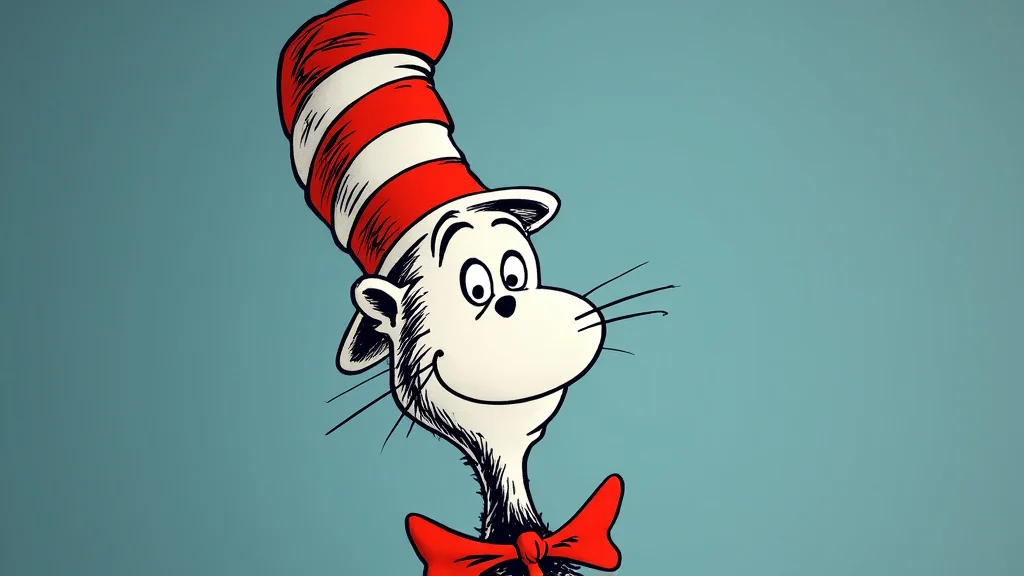
Remember those afternoons spent curled up with a colorful Seuss book? Maybe you were reading Green Eggs and Ham or The Cat in the Hat. But did you ever wonder about the person behind those whimsical stories? Did Dr. Seuss have a medical degree or some other kind of doctorate? This post explores the life of the beloved author and answers the question: was doctor seuss a doctor? You will discover fascinating details about his background, career, and the titles he actually held. You’ll gain a richer appreciation for his life and work and learn some surprising truths about the man behind the rhyming madness. Get ready to expand your knowledge about one of the most famous children’s authors!
Key Takeaways
- The blog post clarifies whether Dr. Seuss held a doctoral degree.
- It explains the origins of his famous pen name.
- The reader will learn about his educational background and early career.
- The post covers his significant contributions to children’s literature.
- The information also explores his political activism.
- You will discover some interesting facts about his legacy.
The Curious Case of Theodor Seuss Geisel
Theodor Seuss Geisel, known to the world as Dr. Seuss, was a literary icon, but was he actually a doctor? The answer, surprisingly, isn’t as straightforward as you might think. Many people assume the “Dr.” in his name signifies a medical degree, but this is far from the truth. The story behind his adopted title is a blend of humor, ambition, and a touch of rebellious spirit, and it’s key to appreciating his life. This section will explore the real story behind this famous title, giving readers a deeper grasp of his identity and his impact.
The Origins of a Pen Name
Theodor Seuss Geisel didn’t have a medical background, but the “Dr.” wasn’t just pulled out of thin air. During his time at Dartmouth College, Geisel was the editor-in-chief of the college humor magazine, “Jack-O-Lantern.” He faced a serious issue: he was caught drinking alcohol during Prohibition (a big no-no back then). As punishment, he was forced to step down from his editorial position. To still contribute, he started signing his work with the pseudonym “Seuss.” Later, he added the “Dr.” as a way to poke fun at his father’s dream of him becoming a doctor and to add a touch of authority to his name. This act of playful defiance became one of the most memorable names in children’s literature.
Geisel carried on the “Dr.” title throughout his career. This added to the mystique and created a sense of credibility. It also stood out in a time when children’s literature wasn’t always taken very seriously. Through his pen name, Geisel crafted a brand that has endured for generations.
Academic Life and Early Career
Before his literary fame, Geisel had a traditional academic life. He studied at Dartmouth College, where he developed his writing and drawing skills. Later, he pursued further studies at Lincoln College, Oxford, but didn’t finish his degree. Instead, he returned to the United States and began his career in advertising and cartooning. This early experience in advertising helped shape his unique storytelling style. His knack for rhythm and rhyme caught on. This career path wasn’t planned; it was a blend of his creative abilities and market opportunities.
He drew cartoons for various publications, showcasing his evolving style and wit. His advertising work offered him practical experience in visual storytelling and a deep grasp of how to connect with an audience. These early career moves laid the groundwork for his success. They were a necessary prelude to his entrance into the world of children’s books.
From Advertising to Children’s Books
Geisel’s shift to children’s books happened almost by chance. While working in advertising, he began writing and illustrating children’s stories. His first book, And to Think That I Saw It on Mulberry Street, was rejected by several publishers before being accepted. It paved the way for a long and successful career in children’s literature. The book introduced his signature style: whimsical illustrations, imaginative worlds, and playful rhyming. The journey from advertising to children’s books exemplifies how he transitioned his skills to new creative avenues.
This path shows how advertising gave him tools that helped him engage young readers. His ability to tell a simple story with unique characters and memorable settings soon made him a star. The beginning of his career in children’s literature launched a new phase filled with creativity and profound impact.
What Did Doctor Seuss Actually Study?
Theodore Seuss Geisel’s formal education wasn’t in medicine, despite the “Dr.” title. Understanding his educational background offers insight into the evolution of his career. It showcases how he took diverse influences and turned them into his own creative style. The story of his education illustrates how he molded his talents.
Education at Dartmouth College
Geisel enrolled at Dartmouth College and gained experience in the literary arts. He was the editor-in-chief of the humor magazine, where he honed his skills. Despite the trouble he got into, Dartmouth was where he developed a distinctive style and created a foundation for his career. This experience shows how college life can shape an artist’s vision. It also gives insight into the roots of his creativity.
- Early Artistic Development: His time at Dartmouth fueled his passion for visual storytelling, a key element in his later works.
- Leadership and Editorial Experience: Leading the humor magazine gave him experience in teamwork, a key skill for a successful career.
- Exposure to Diverse Perspectives: College exposed him to a wide range of viewpoints and ideas, which later appeared in his writing.
Studies at Oxford University
After Dartmouth, Geisel sought further education at Lincoln College, Oxford. Though he didn’t finish a degree, his time there exposed him to different cultures and literary traditions. This experience broadened his perspective and boosted his writing ability. While his Oxford studies didn’t lead to a formal degree, they still made a mark. They had an impact on his creative development, paving the way for his work. The diverse setting of Oxford offered fresh experiences, adding to his skills.
- Literary Influence: He gained awareness of classical and modern literature, which gave him new ways to create.
- Cultural Exposure: Living in England exposed him to new customs and ideas, influencing his storytelling.
- Unfinished Degree: Though he didn’t complete a degree, the experience was still vital for his future work.
The Absence of Medical Training
It’s important to be clear: Dr. Seuss did not have a medical degree. His education was in the arts and literature, not the sciences. This clarifies the origin of his “Dr.” title and emphasizes that it was an act of creativity. His career path proves that an artist’s success isn’t dependent on their formal education. It spotlights the importance of creative talent, persistence, and a unique way of looking at the world.
The “Dr.” title was a creative choice that became part of his brand. It brought an interesting twist to his writing persona, adding to the mystique. His career proves that a strong vision and imagination can create a lasting legacy.
The Doctor Seuss Literary Legacy
Dr. Seuss’s impact on children’s literature is immense. His rhyming style, creative characters, and imaginative settings have captured readers for generations. His books are still popular today, and his work continues to influence children and writers. This section digs into his literary accomplishments and how his unique methods transformed children’s books.
Distinctive Style and Techniques
Dr. Seuss’s writing style is unique, making his books easily identifiable. His use of rhythm, rhyme, and made-up words creates an engaging experience. This style is not just entertaining; it also helps kids learn language. His use of colorful illustrations and inventive characters helps children visualize the story. His storytelling method shows the power of creativity to capture young readers’ imaginations.
His distinctive use of rhythm, rhyme, and made-up words kept young readers engaged. For example, in Green Eggs and Ham, the simple rhyming structure and repetition make it easy for children to remember the words. Another example is The Cat in the Hat, where the silly characters and nonsensical words create a fun and exciting experience. It is a formula that works every time.
Iconic Characters and Stories
Seuss created a host of memorable characters that continue to resonate with children. The Cat in the Hat, the Grinch, and Horton are just a few examples. These characters are not just entertaining but also teach important lessons. The stories often touch on themes like friendship, conservation, and social responsibility. This mixture of fun and education is a core element of his appeal.
- The Cat in the Hat: The mischievous cat introduces chaos and fun, encouraging children to embrace imagination.
- The Grinch: The Grinch’s transformation from a mean character to a compassionate one teaches the value of kindness.
- Horton: Horton’s dedication and belief in unseen worlds inspire readers to stand up for their principles.
Enduring Influence on Children’s Literature
Dr. Seuss’s influence on children’s literature is vast. His style has shaped the landscape of children’s books. His work encouraged many writers and illustrators to explore new methods and themes. His books have made reading fun, promoting literacy in ways that are hard to measure. His success shows the power of children’s books in influencing young minds.
His books continue to impact generations of readers. His imaginative stories are read in classrooms and homes worldwide. His ability to make language fun and engaging helped spark a love for reading. His impact shows how powerful storytelling can be for children.
Doctor Seuss and Social Commentary
Dr. Seuss was known not only for his creativity but also for his ability to deal with social issues. He used his stories to promote understanding and empathy, touching on issues like prejudice, environmentalism, and consumerism. His books were more than just fun; they were thought-provoking tales that made people think. This section studies how he used his literary voice to address important issues and affect the world.
Addressing Social Issues through Storytelling
Dr. Seuss often used his stories as a method to talk about tough social topics. He understood how important it was to speak up on injustice, and he did it in a creative way. His stories often featured characters and situations representing bigger issues. This method encouraged discussion and thought, making complicated topics accessible to kids. He proved that children’s literature could be a means for social change.
One example is The Sneetches, a story about prejudice and discrimination. The Sneetches with stars on their bellies look down on the ones without stars. This story teaches kids about prejudice. Another example is Horton Hears a Who!, a story about the significance of every person. It stands for the idea that everyone matters, no matter how small or seemingly insignificant they are. These stories give kids a means to talk about tough topics, leading to a more aware generation.
Examples of Political and Social Commentary
Seuss frequently took a stance on social and political topics. He used his work to comment on the world around him. This made his work important and gave it more meaning. His willingness to speak up on difficult issues separated him from other authors. His views, expressed through creative stories, provided an educational path.
- Environmental Awareness: The Lorax warns about the dangers of environmental destruction, motivating readers to care about the planet.
- Anti-War Messages: During World War II, Seuss created political cartoons criticizing fascism and war.
- Social Equality: Stories like The Sneetches promote equality.
The Impact of His Activism
Dr. Seuss’s activism had a deep impact on his audience. His stories got people talking about important issues. He made a difference by making them accessible to kids. His lasting work shows the power of artists to influence society. His stories inspire readers to think and become active citizens. They give kids the tools to deal with the complexities of the world.
His writing sparked discussion and promoted awareness. For example, The Lorax got people talking about environmental concerns. His works have inspired future writers and readers, encouraging creative ways to deal with injustice. His lasting legacy shows the power of creativity to bring about social change. His works continue to affect readers.
Common Myths Debunked
There are many false ideas about Dr. Seuss. Misinformation can spread quickly, making it necessary to sort facts from fiction. Debunking these myths sheds light on the truth about the life and work of Theodor Seuss Geisel. Clearing up these common misunderstandings gives a clearer understanding.
Myth 1: Dr. Seuss Was a Real Doctor
The reality is that Dr. Seuss was not a medical doctor. He didn’t have a degree in medicine or practice in that profession. The “Dr.” title was an invention. He took this title when he was at Dartmouth College. It was his way of defying authority, and it stuck with him throughout his career.
Myth 2: His Books Were Only Meant for Entertainment
While his books are fun, they are more than just entertainment. Many of his stories contain social commentary. His works often address essential issues such as conservation and equality. His books tackle complicated topics, encouraging discussion and understanding among young readers.
Myth 3: He Never Faced Criticism
Like any artist, Dr. Seuss did have to face criticism. Some of his earlier works were criticized for representing stereotypes. Over time, he learned from these criticisms. He changed his approach to make his work more inclusive.
Myth 4: He Always Intended to Write Children’s Books
Geisel didn’t originally set out to write children’s books. His career began in advertising and cartooning. Writing for children wasn’t his initial plan. It was through his advertising work and love of storytelling that he found his way.
Myth 5: His Books Are Always Simple
His books may look simple, but they’re not. They are complex. They have a depth of meaning for children of all ages. Many stories use rhythm and rhyme, and they handle important topics.
Frequently Asked Questions
Question: Why did Dr. Seuss add “Dr.” to his name?
Answer: He added “Dr.” to his name to satirize his father’s wish for him to become a doctor and to add authority to his contributions to the college humor magazine.
Question: What was Dr. Seuss’s real name?
Answer: His real name was Theodor Seuss Geisel.
Question: Did Dr. Seuss ever get in trouble for his work?
Answer: Yes, some of his earlier illustrations and writings were criticized for racial insensitivity.
Question: What is Dr. Seuss’s most famous book?
Answer: It’s hard to name just one, but popular titles include The Cat in the Hat, Green Eggs and Ham, and How the Grinch Stole Christmas!
Question: Did Dr. Seuss ever address political issues?
Answer: Yes, he frequently addressed political issues through his stories and cartoons, often supporting environmental awareness and social justice.
Final Thoughts
The tale of Dr. Seuss, the man behind the whimsical tales, is a captivating one. No, was doctor seuss a doctor? The answer is no, in the traditional sense, but his impact on literature is undeniable. His journey from an advertising artist to a children’s book icon is full of twists. His creative use of language, and his knack for creating memorable characters have cemented his place in cultural history. He was a storyteller and an artist. He used his talents to shape how we view the world. He turned ordinary words into delightful journeys. This skill has inspired generations of readers and writers.
Take inspiration from Dr. Seuss. Explore the books that sparked your imagination. Revisit his words and illustrations. Embrace your own creativity, whether you’re a writer, artist, or dreamer. Remember the power of a story and the capacity of an individual to shape the world. Keep reading, keep exploring, and keep the spirit of Dr. Seuss alive. His work serves as a reminder of how joy and meaning come together in life.